

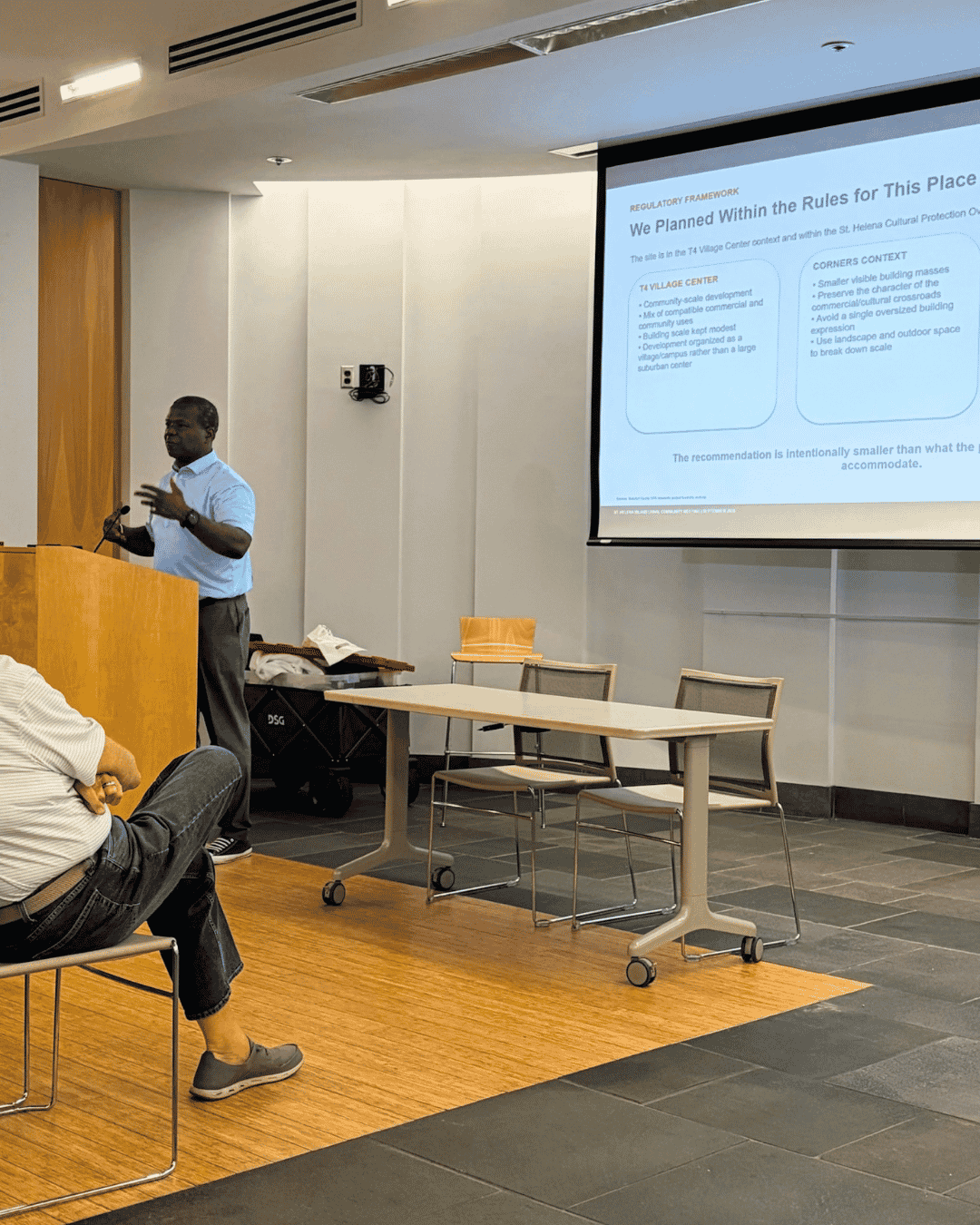
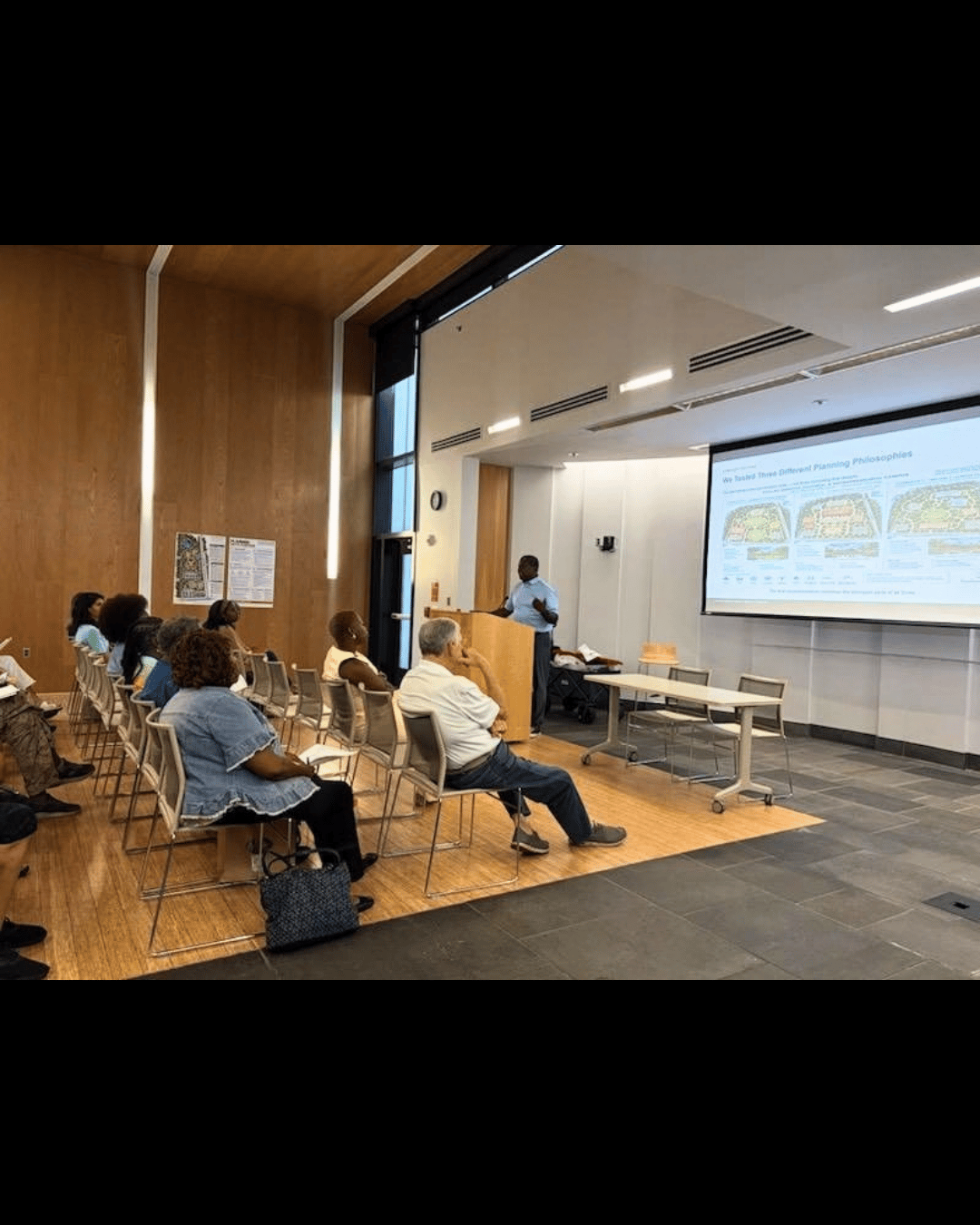
On September 21, the St. Helena community gathered for the final community meeting of the St. Helena Island Economic Feasibility Study. After months of listening, learning, and research, the study team shared its recommendations for the future of the land at the corner of Sea Island Parkway and Polowana Road — and asked the community for its thoughts one more time.
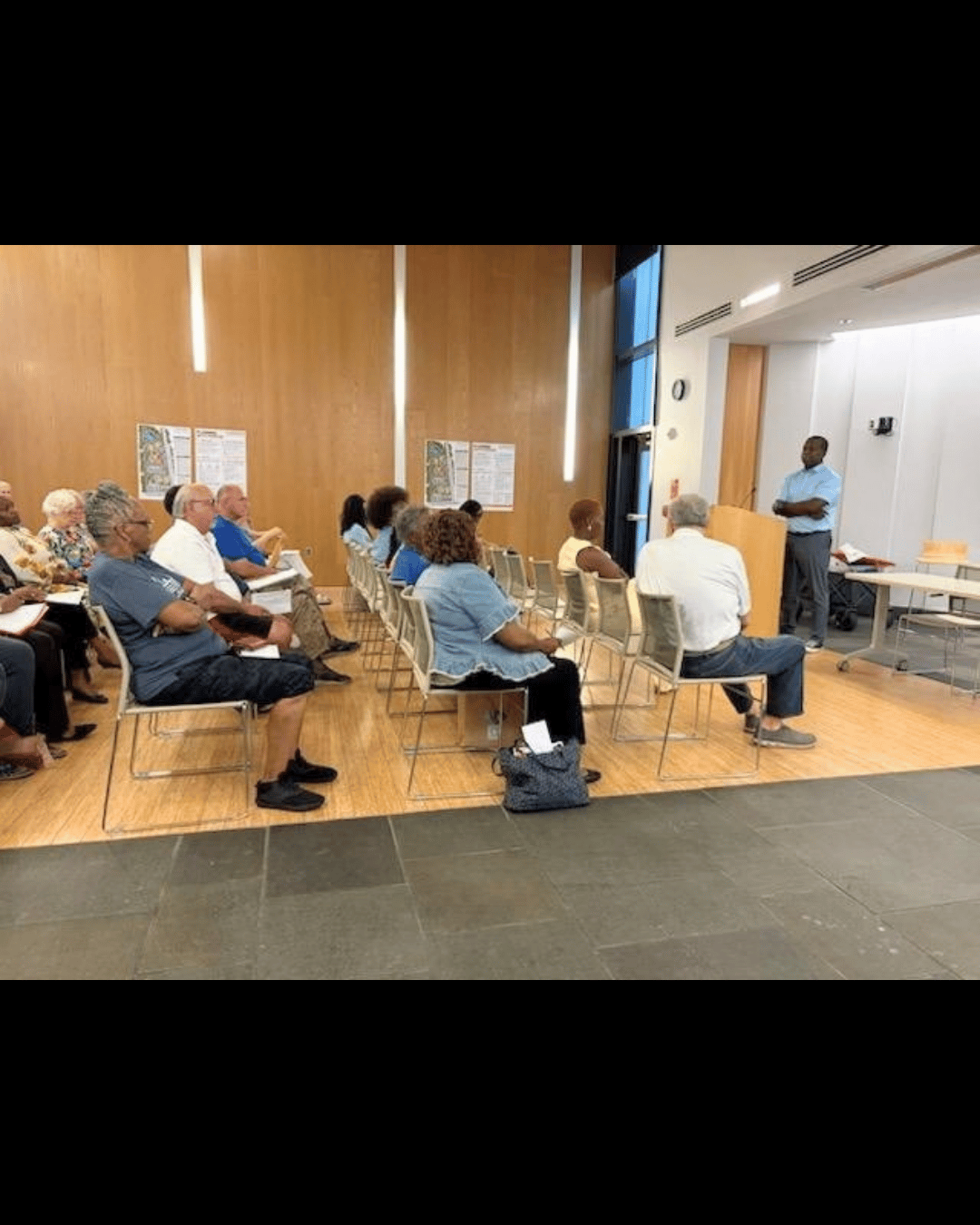
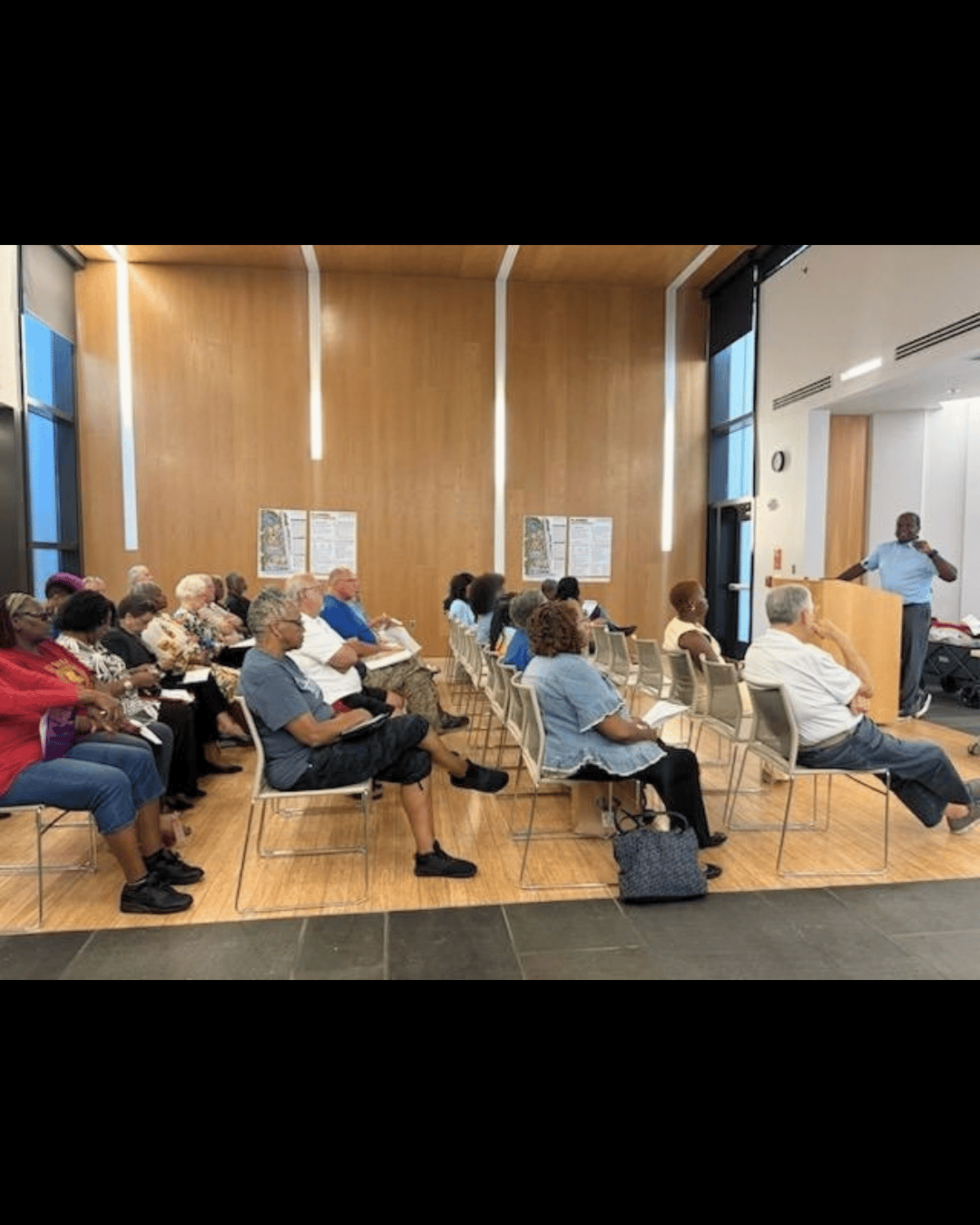
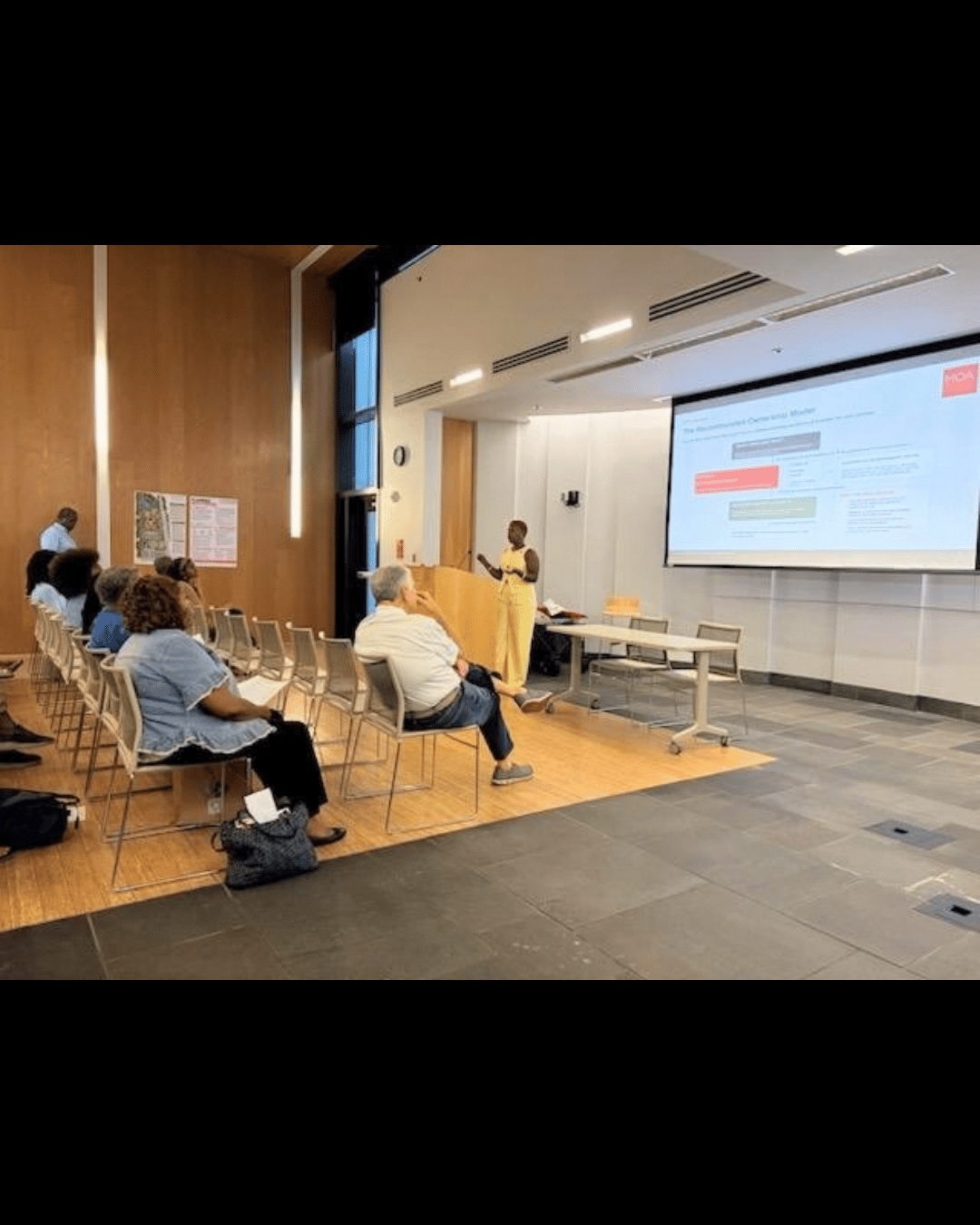
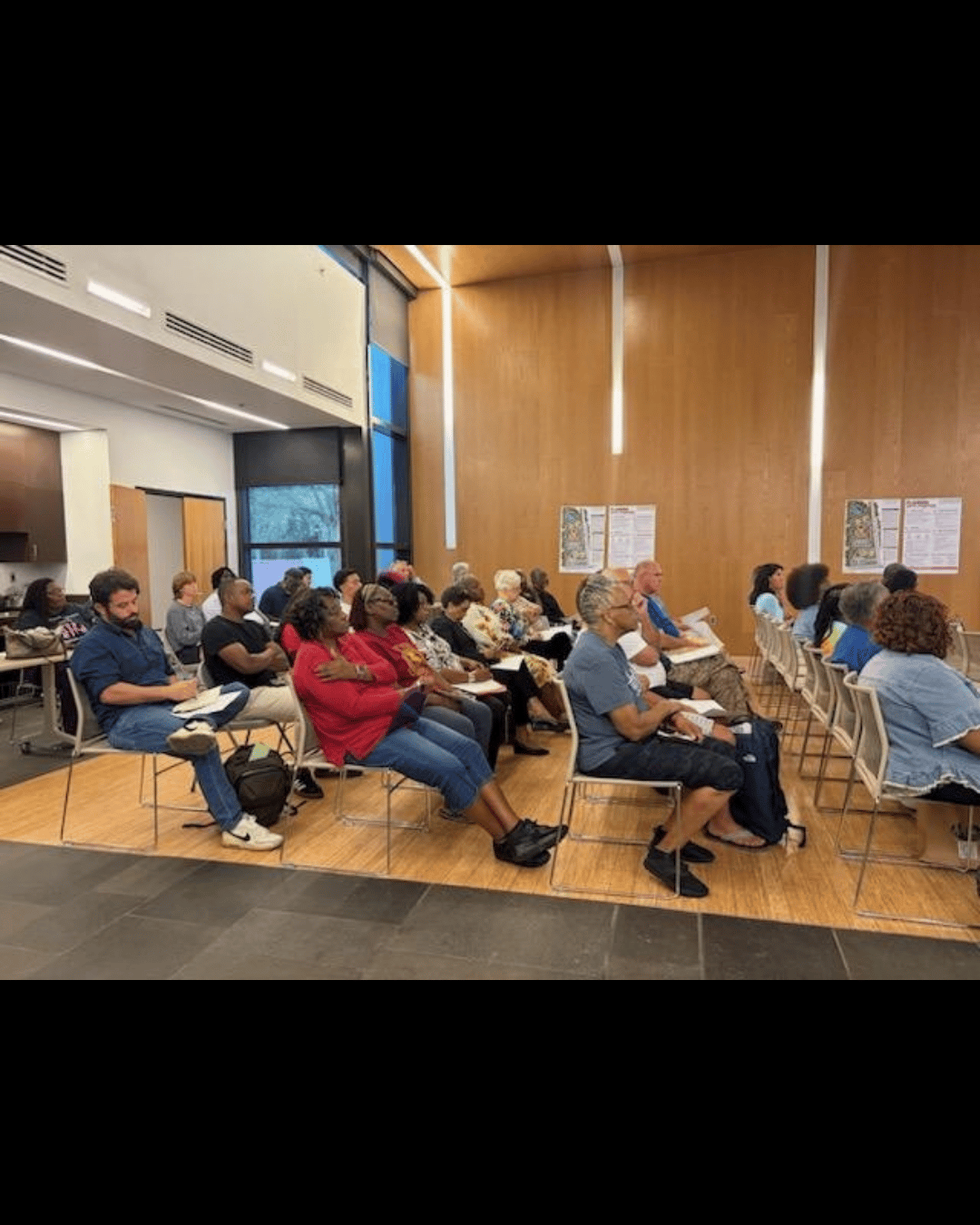
Shaped by the community, every step of the way
This study began with an open question, not a decision. From the very first meeting, the goal was to listen first and let the community guide the way. Over the past several months, residents shaped this work through five open community meetings, digital forms on the study website, a dedicated session with young people, and many one-on-one conversations with families, cultural leaders, local business owners, educators, and community organizations. What the community shared became the foundation for everything that followed.
What the study recommends
The study recommends a community campus — a place that brings together local business, job training, culture, and space to gather, all set within the trees and open land. It’s designed to feel like it belongs on St. Helena, not like something dropped on top of it: a cluster of smaller buildings — porches, pavilions, and outdoor rooms — rather than one large building, with the tree canopy and natural landscape preserved.
It’s meant to be modest. At about 17,750 square feet, built in two steps over time, it’s smaller than what the land could hold. The size comes from what the community wants and what makes sense here — not from fitting in as much as possible.
Built on what the community values
Five ideas guided the plan, drawn straight from what residents said matters most:
Residents first — visitors are welcome, but this is for the people who live here.
Culture at the center — it starts with St. Helena’s people and living Gullah Geechee culture.
Build within the land — keep the trees, keep it walkable, and avoid a sea of parking.
Partner, don’t duplicate — work with organizations and businesses already serving St. Helena, rather than duplicating them.
Grow only as needed — build the first step, and add more only when it’s truly needed.
Built in two steps
The first step would be a space for local business and job training. The second step — a market and cultural hall — would come later, and only if the first step is doing well. The campus grows as the community shows it’s ready for more.
Careful planning behind the plan
The recommendation is backed by real research. An independent traffic study found that the site can be accessed safely without significantly affecting the surrounding roads, with a main entrance on Polowana Road and a right-in, right-out point on Sea Island Parkway. The plan was designed to fit the county’s vision for this area and the St. Helena Cultural Protection Overlay. And the team met with the Beaufort County Sheriff’s Department to plan for safety and emergency access.
What comes next
Building this would take real funding — the study estimates roughly $10.66 million across both phases. It's important to be clear about what that number is: a preliminary planning estimate, not a final project budget. No funding has been committed yet.
The study is honest about this. The plan is designed to support itself over time, and all pieces have to come together before anything is built. The study's conclusion is that the project is workable if those conditions are met — and that it's worth continuing to the next stage of planning.
To protect the land's purpose for the long term, the study also recommends that it be held by a community-minded nonprofit, with rules written into the deed — so the site stays true to its purpose no matter what.
Thank you, St. Helena
This has always been the community’s project. Your voice shaped it from the first meeting to the last, and the recommendation reflects what we heard. The study team will take the feedback from this final meeting and use it as the study is completed.
Thank you for being part of this, St. Helena Island. From the very first meeting to the last, this community's voice has shaped every step — and the recommendation reflects what we heard.
The St. Helena Island Economic Feasibility Study Team — MOA Architecture, Inc. in partnership with Coastal Community Foundation