

Recapping our Fourth Community Meeting on St. Helena Island
Next community meeting September 21, 5:30 - 7pm, at the St. Helena Branch Library |
Next community meeting September 21, 5:30 - 7pm, at the St. Helena Branch Library |
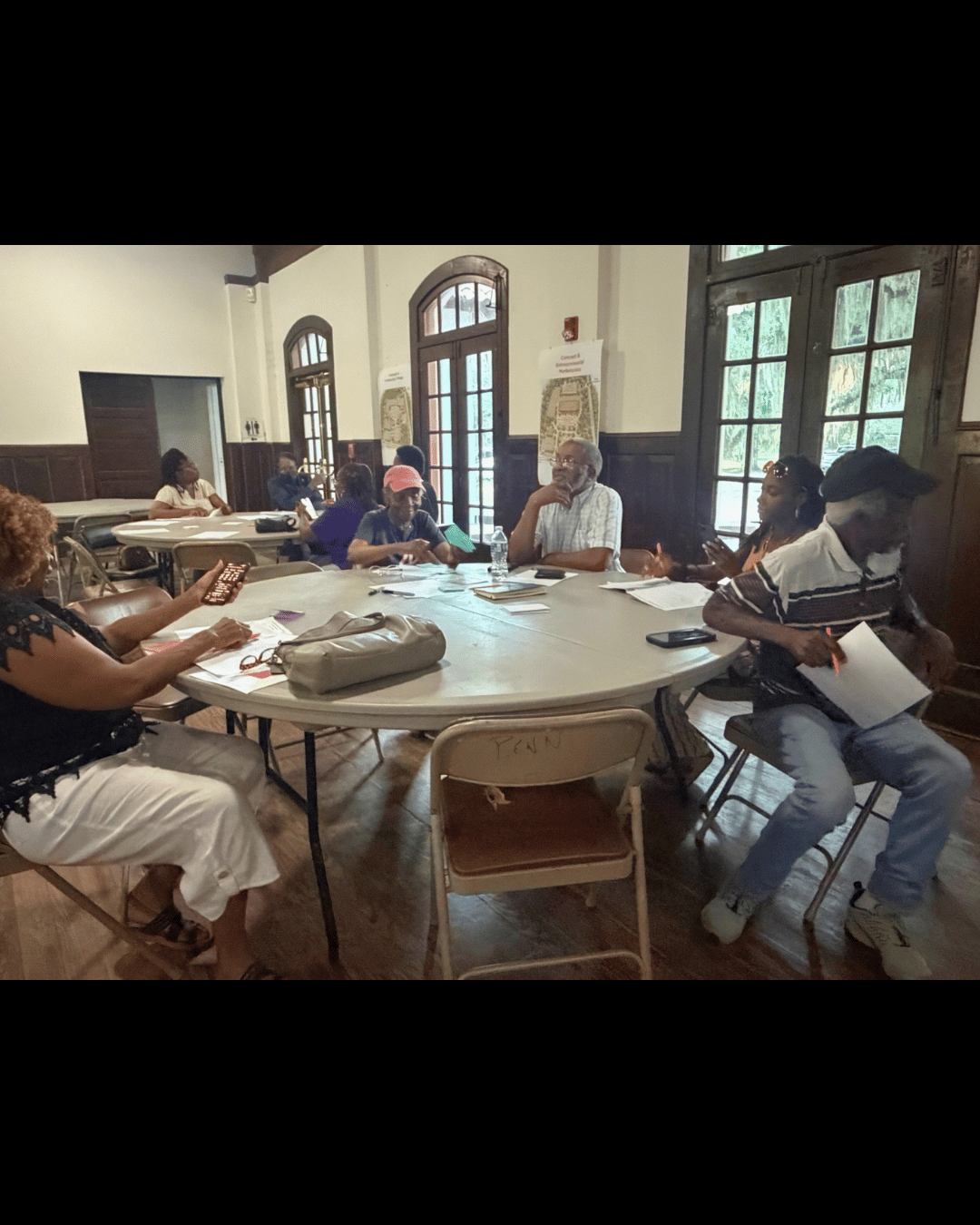
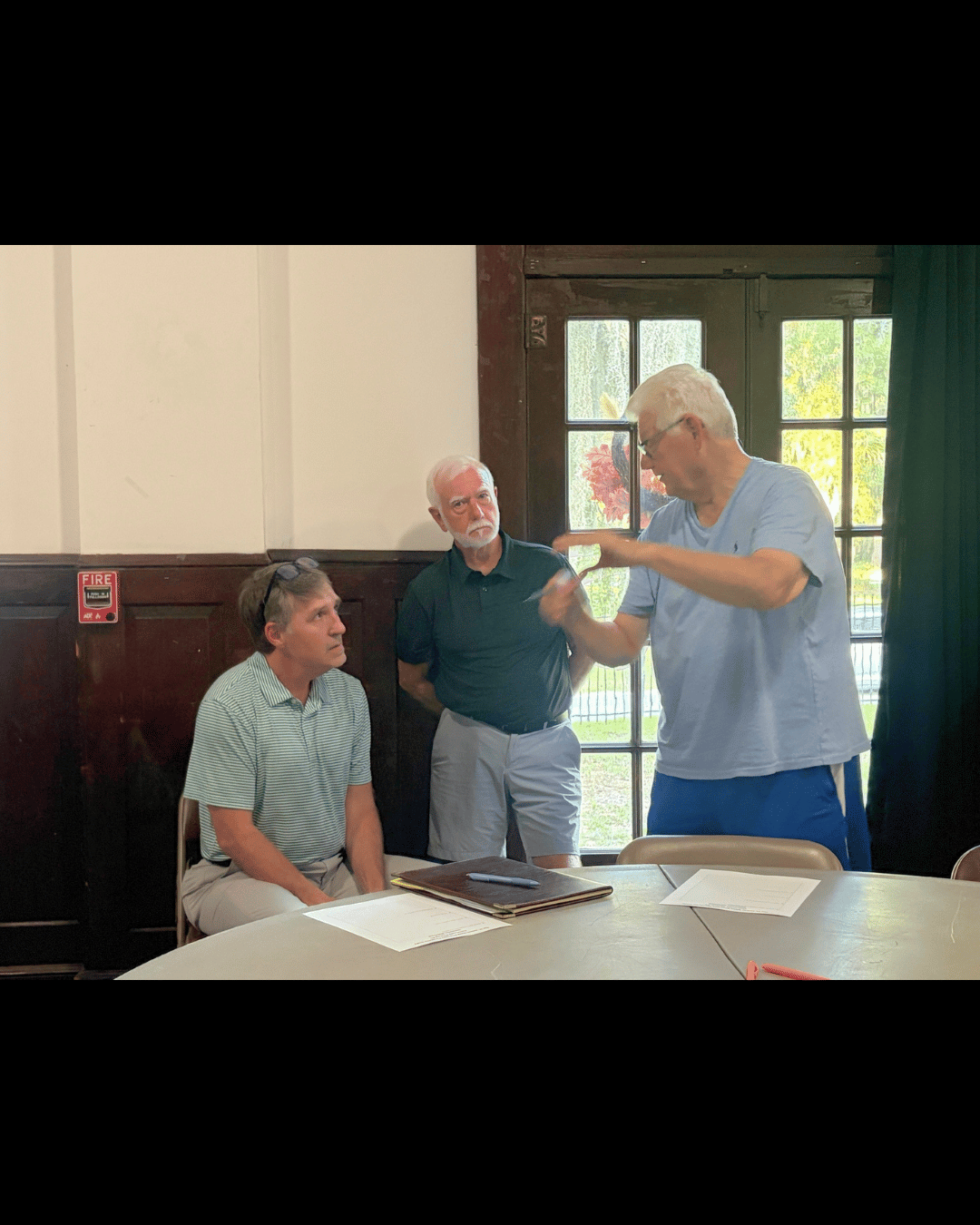
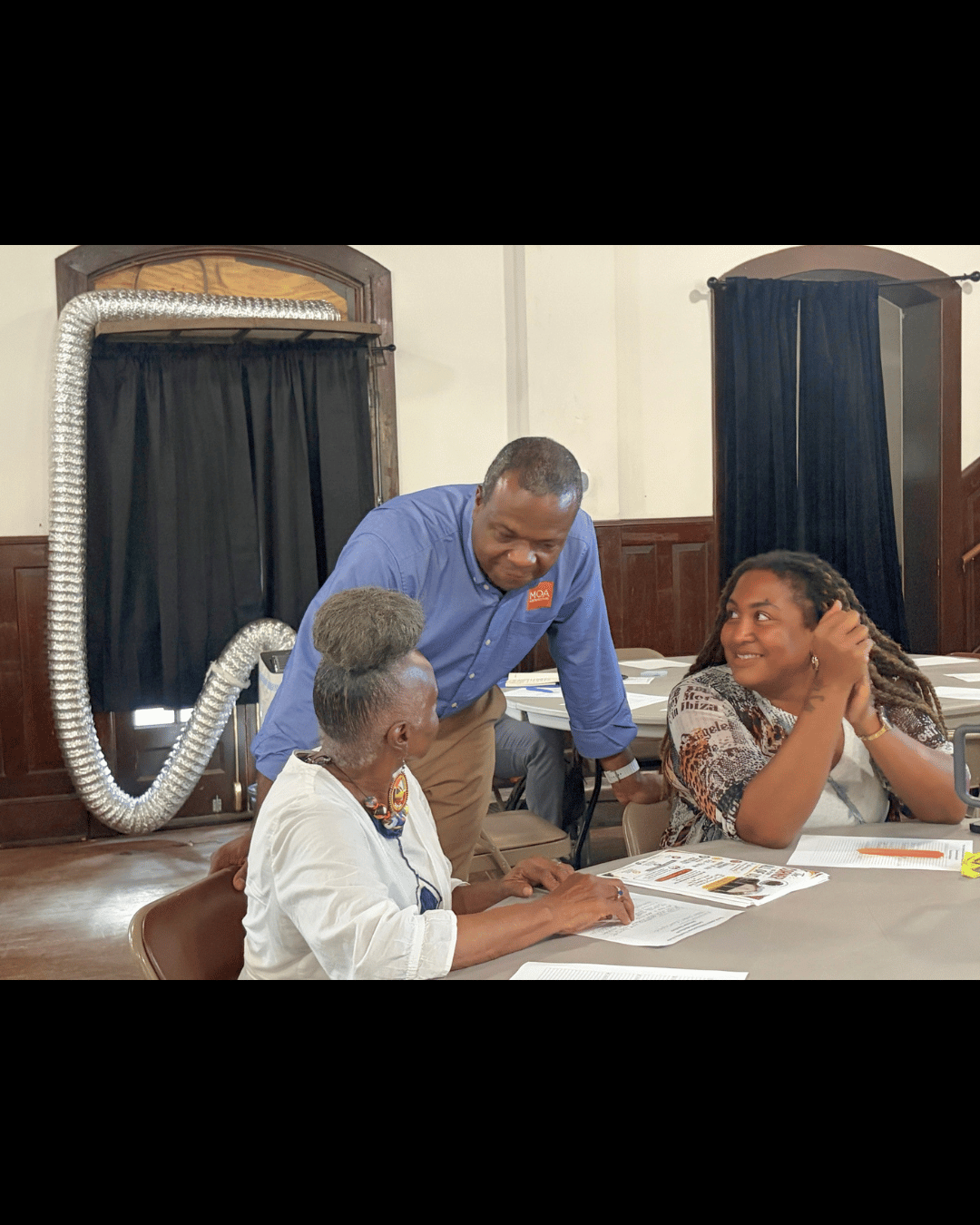
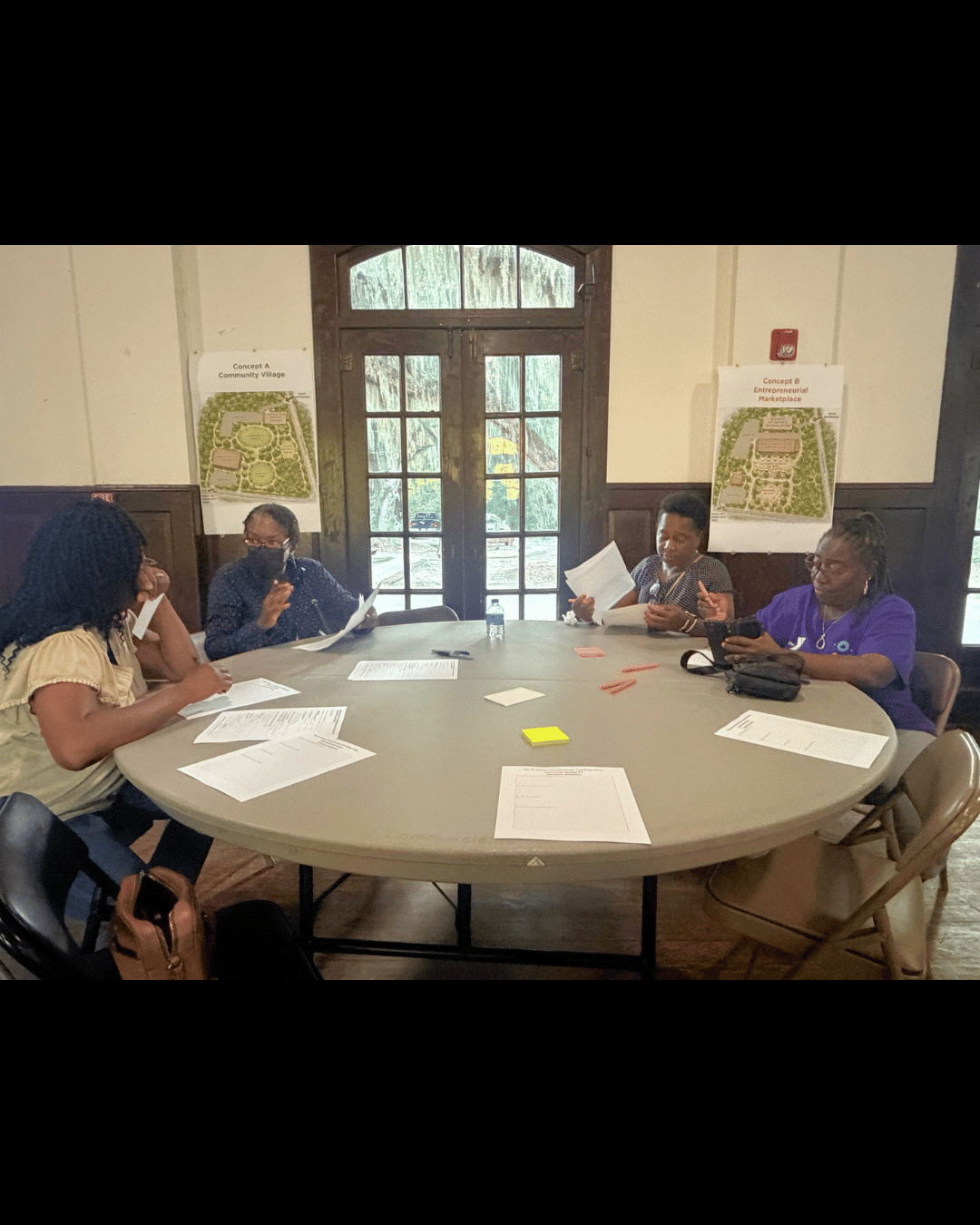
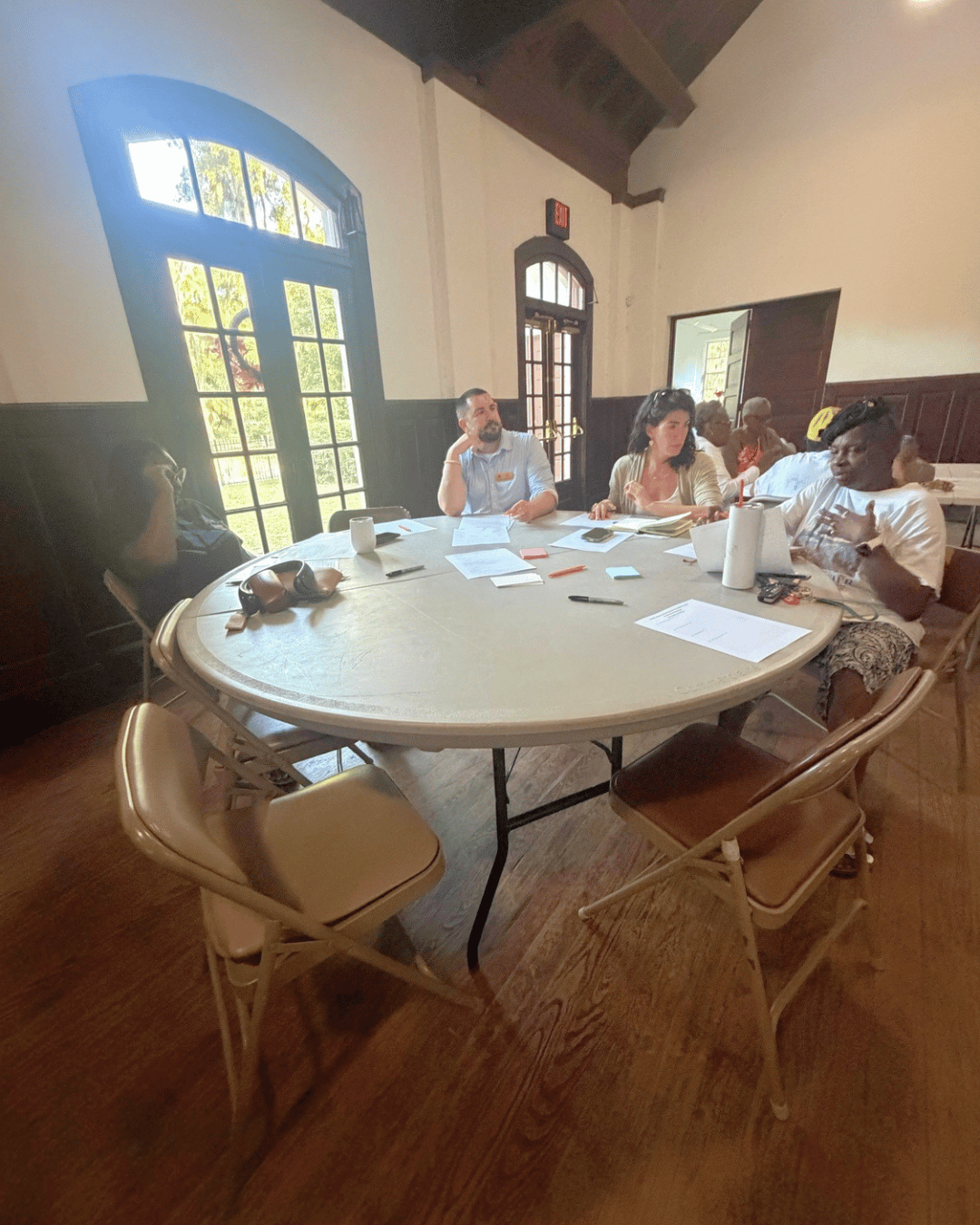
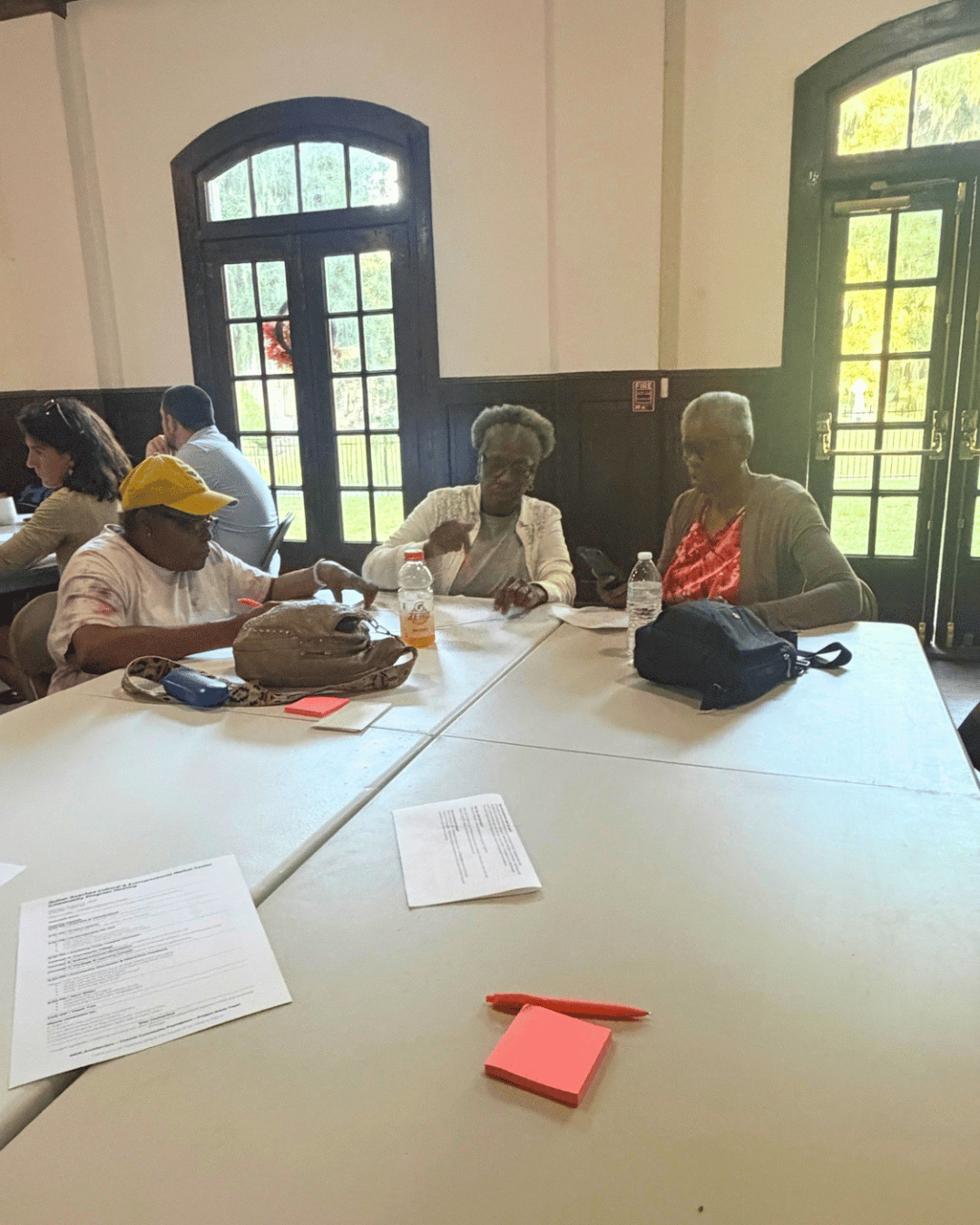
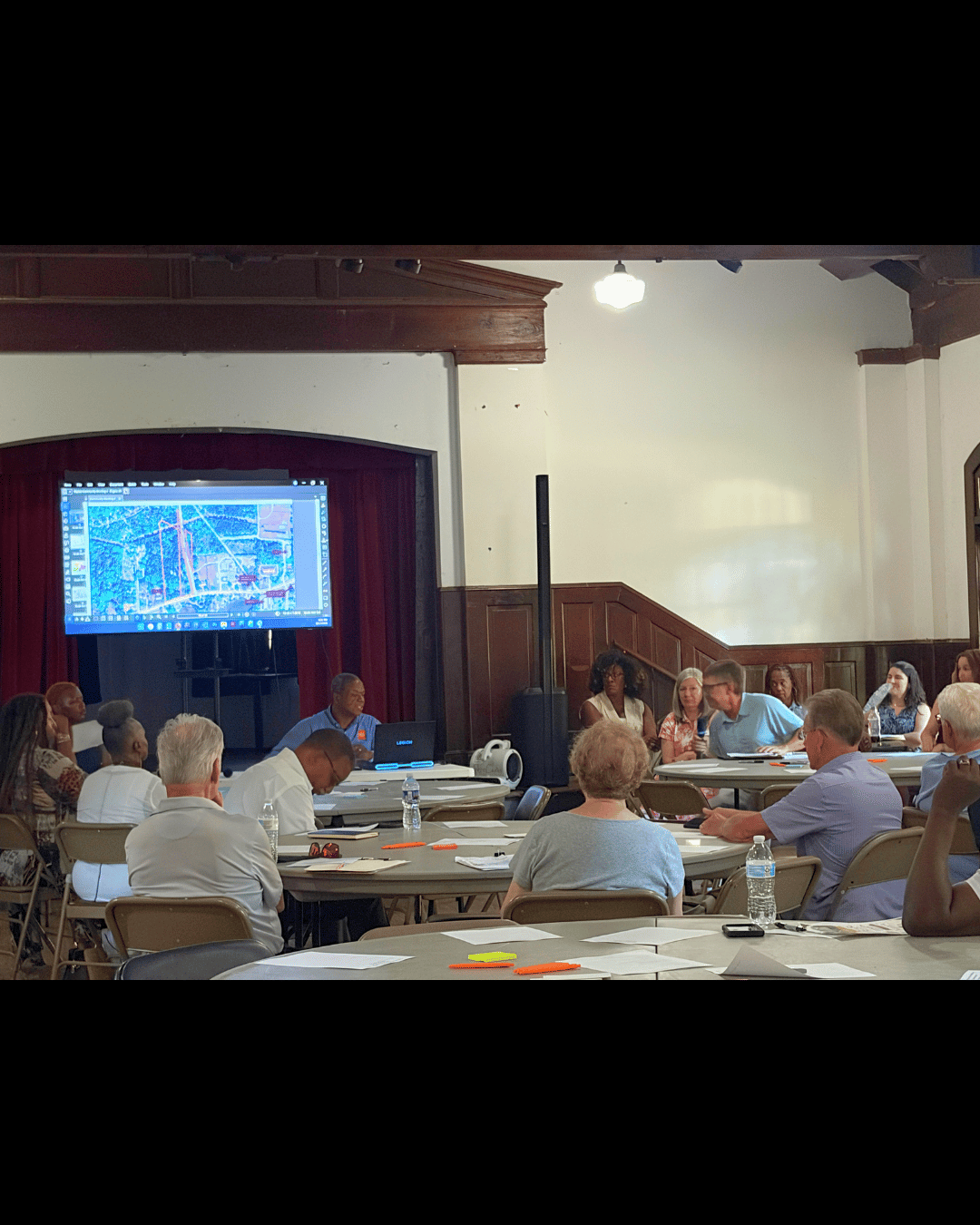
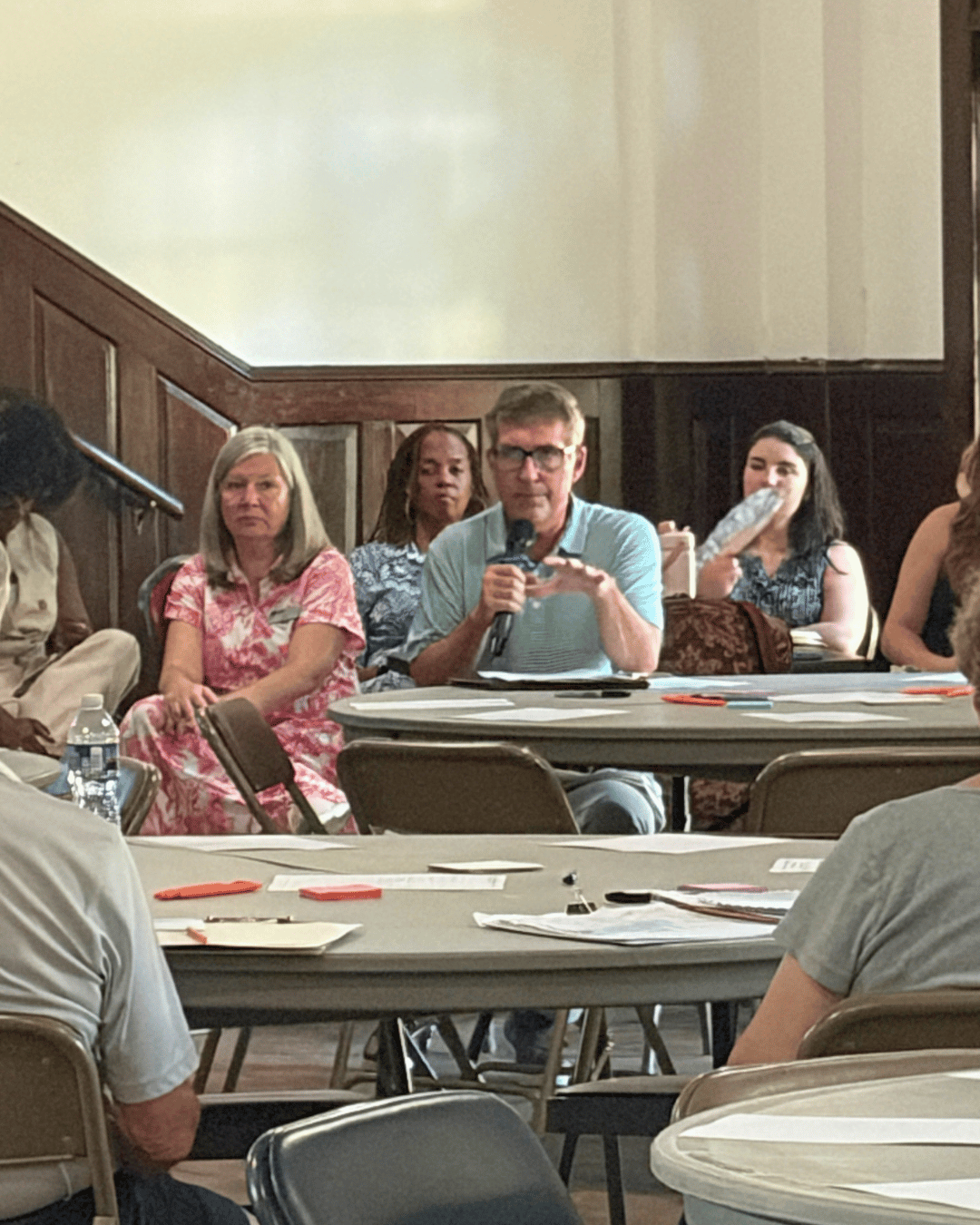
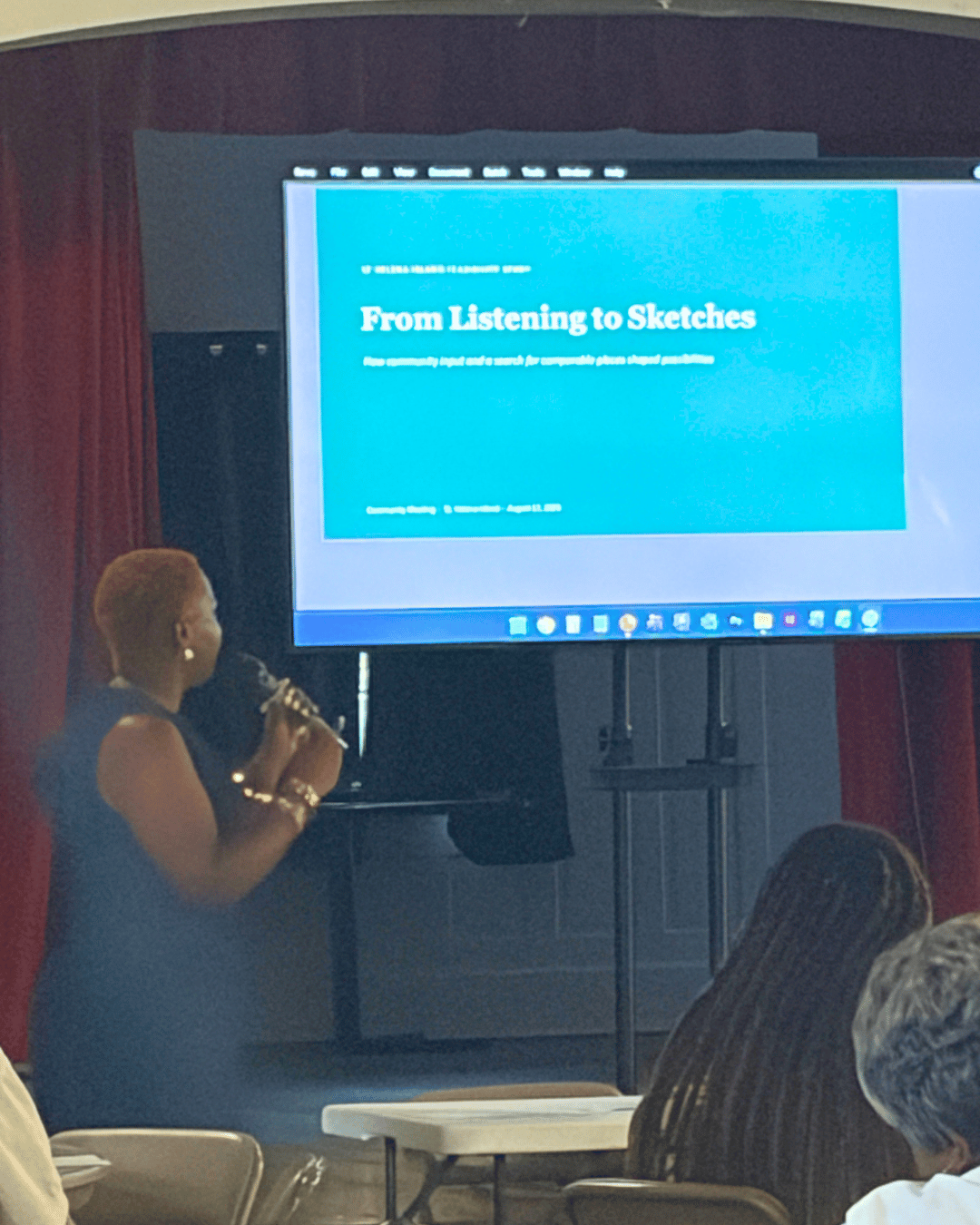
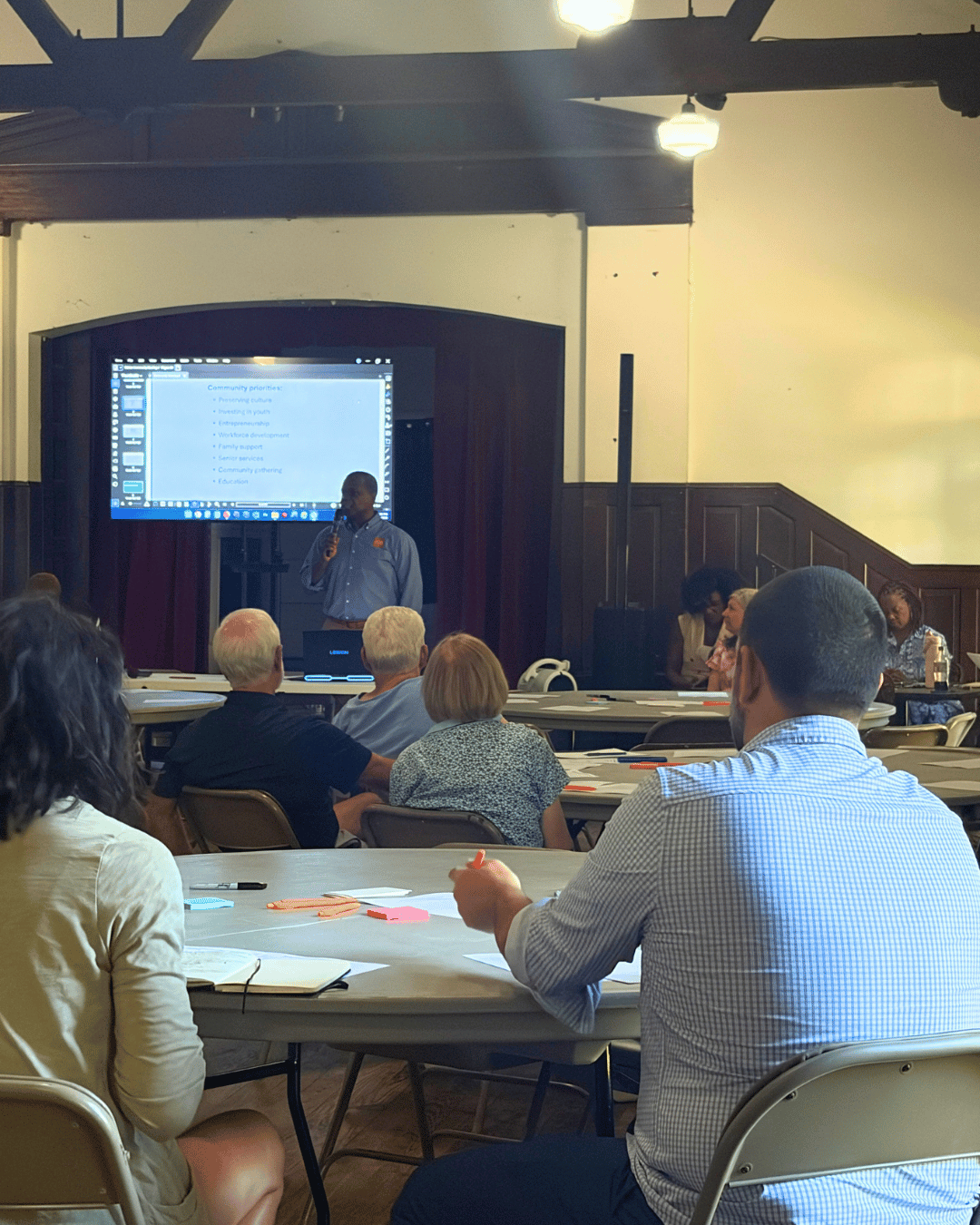
On August 17, the community came together at the Frissell House at Penn Center for our fourth St. Helena Island Economic Feasibility Study meeting. This was a big night. After months of listening and research, the team brought three ideas for the land back to the community — not as final plans, but as ideas for people to look at, talk about, and help make better.
How we got here
The land at the corner of Sea Island Parkway and Polowana Road was privately owned, and it could have been built on in many different ways. Because this land matters so much to the community, Open Land Trust — with help from Coastal Community Foundation — stepped in to buy it. They did this to protect the community's opportunity to help shape the outcome.
This is not a county or government project. It is a community-minded effort, and trusted partners are taking care of the land for the community. The whole way through, the goal has stayed the same: to figure out what could really work here — what makes sense, what can last, and how it could actually come to life — using the community's priorities as the guide.
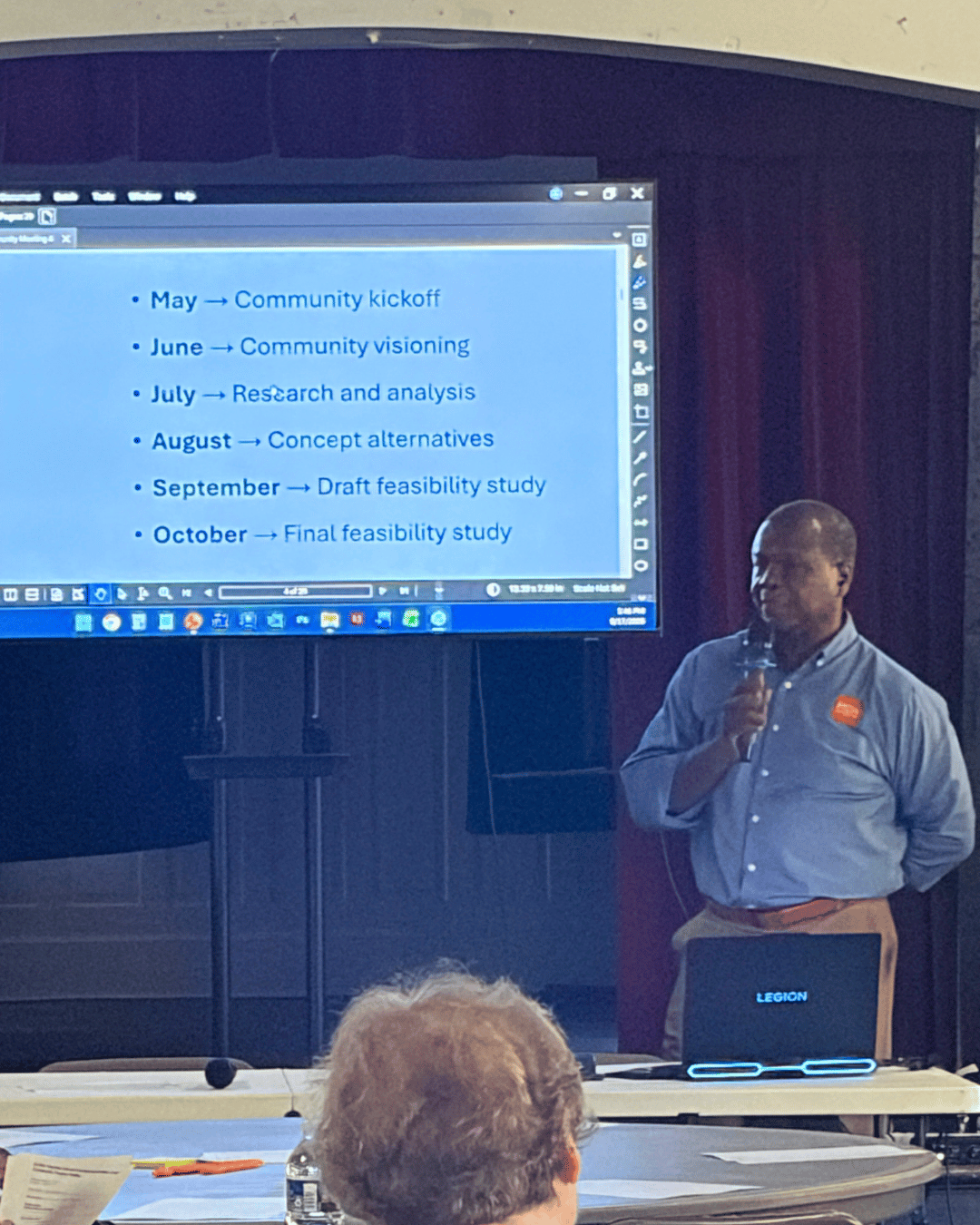
This meeting built on the work we've done together so far. We held a kickoff in May, a night of sharing ideas and top priorities in June, and a look at our early research in July. Each step has been shaped by what neighbors told us they want — and what they want to protect.
Three ideas for the land
The heart of the night was sharing three ideas for the land. Each one grew out of what the community has asked for over these past months — protecting Gullah Geechee culture, investing in young people, supporting local businesses and job training, and making places for families and seniors to gather. Each idea answers those priorities in a different way.
Community Village. Built around bringing people together. It has a community and meeting center, a market hall and café, a youth activity area, and lots of open green space, including a community green and a festival lawn.
Entrepreneurial Marketplace. Built around helping local businesses. It has a café, a market hall, an outdoor vendor village, a space to help new businesses grow and get training, and a festival plaza.
Heritage & Learning Campus. Built around culture and learning. It has a center for youth education, heritage, and culture, a storytelling pavilion, outdoor classrooms and gardens, a performance lawn, and space for job training and community meetings.
All three also answer one of the community's top concerns — traffic and safety. The main access would be off Polowana Road, with a right-in, right-out only entrance on Sea Island Parkway. That comes from two things: what neighbors told us about keeping the roads safe and easy to use, and the findings of our traffic study.
Then it was the community's turn. Attendees gave their thoughts — which ideas they liked, which ones worried them, and what might be missing. They also weighed an important question: if only one part could be built first, what should it be?
What the research is showing us
A close look at the land
The ideas are shaped by more than wishes — they're backed by a close look at the land and by research into what really works.
The team studied the land itself: the trees, the wetlands, the flood areas, and how cars would get in and out along Sea Island Parkway and Polowana Road. We looked at how any new use could fit the quiet, rural feel and the culture that make St. Helena Island special. And we looked at places in other towns that do the kinds of things people here have asked for, like shared kitchens that help small food businesses and spaces built around heritage.
What’s working in other places
To make sure the ideas were grounded in what really works, the team looked at places in other towns doing the kinds of things people here have asked for. Some showed us how to run good programs — like shared kitchens that help small food businesses get started and hands-on programs that teach trades. Others showed us how to use the land well — like Ma Daisy's Porch in nearby Bluffton, which blends a market, food, and heritage on a small site, and Gee's Bend in Alabama, where a festival is carried by open land instead of a big building (see the presentation for a full list).
How much could be built here
One big question the study looked at is how much building the land could actually hold. The original request mentioned 34,000 square feet as a starting point. But what neighbors told us, along with what the team learned from similar places, pointed to something smaller and built in steps over time.
To picture it, the team looked at three sizes — a smaller, a middle, and a larger version — as a way to test what's possible:
A smaller version of about 14,000 square feet, with room for around 15 vendor stalls and space for a handful of local businesses.
A middle version of about 17,750 square feet, which adds room for a seasonal event calendar.
A larger version of about 21,500 square feet, which could also host a signature yearly festival.
These sizes aren't a final decision about what will be built. They're a way to help everyone picture how much space the land could hold, and to compare choices. One thing stands out: all three stay well below that first 34,000-square-foot number. This fits what we've heard all along — a modest, step-by-step approach that fits St. Helena, not more than the community can handle.
Across all three sizes, the space for trade classes and teaching grows the most. That lines up with what the community pointed to as a top priority.
What young people told us
Your youngest neighbors shaped this research too. We held a special session a few weeks ago, just for them. Residents ages 14 to 21 asked for places to go and things to do close to home — walking and nature trails, an outdoor stage, a teen lounge, and a place to skateboard — along with ways to earn money, like selling arts and crafts, a general store, or a space to rent for events. Most of all, they want to know their ideas will really be heard. Their voices are an important part of this study, and their ideas move forward with everyone else's.
Building something that lasts
Along with all the ideas people are excited about, the study is also working on the harder questions — not just what could be built, but how it could be paid for, run, and kept going over time. These are exactly the questions a study like this is meant to answer honestly.
A big part of the work ahead is making sure that whatever we suggest is realistic and built to last — something the community can keep going, not more than it can handle. Getting this right is how we protect the community's vision, not limit it.
What happens next
What we heard on August 17 now goes straight into the next step: making the ideas better, shaping our recommendations, and writing the study. The final study won't just share ideas for the land. It will include a possible plan for the site, ways it could be paid for, and a strategy for how it could be built over time — all shaped by what the community cares about most.
This study is about finding what could really work at the corner of Sea Island Parkway and Polowana Road — what fits the community, what makes sense, and what can last. It will end with a real plan and a strategy for how to get there, guided every step of the way by the people who call St. Helena Island home.
Stay involved
The community will have one more chance to come together and look at the final report.
>Join us September 21, 5:30 - 7pm, at the St. Helena Branch Library for the next community meeting.
>Sign up for updates at moaarc.com/sthelenastudy so you're the first to know.
We hope you will join us to celebrate the work the community has done together.