

Join us at the next community meeting August 17 from 5:30 - 7pm, Frissell Community House @ Penn Center
〰️
Join us at the next community meeting August 17 from 5:30 - 7pm, Frissell Community House @ Penn Center 〰️
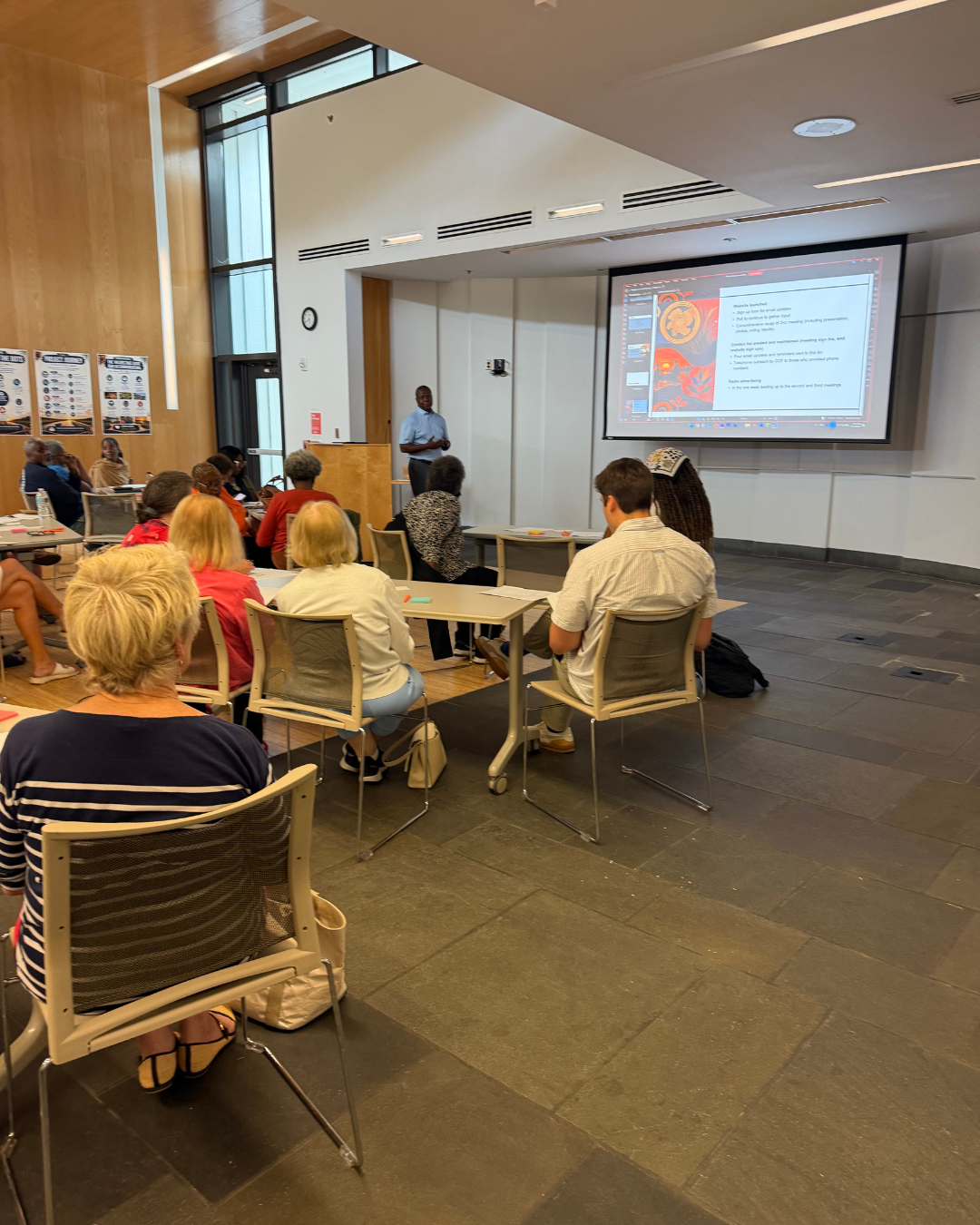
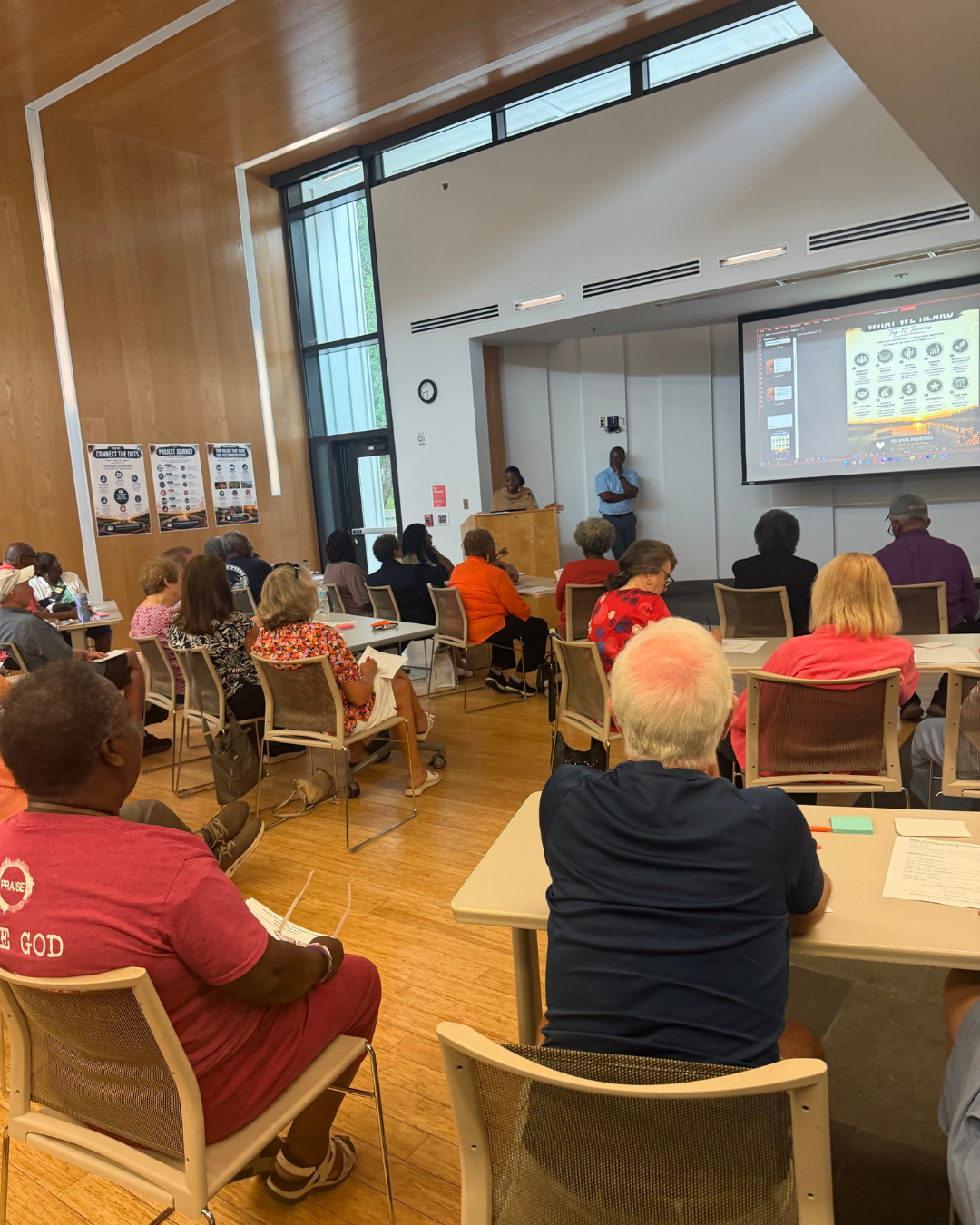
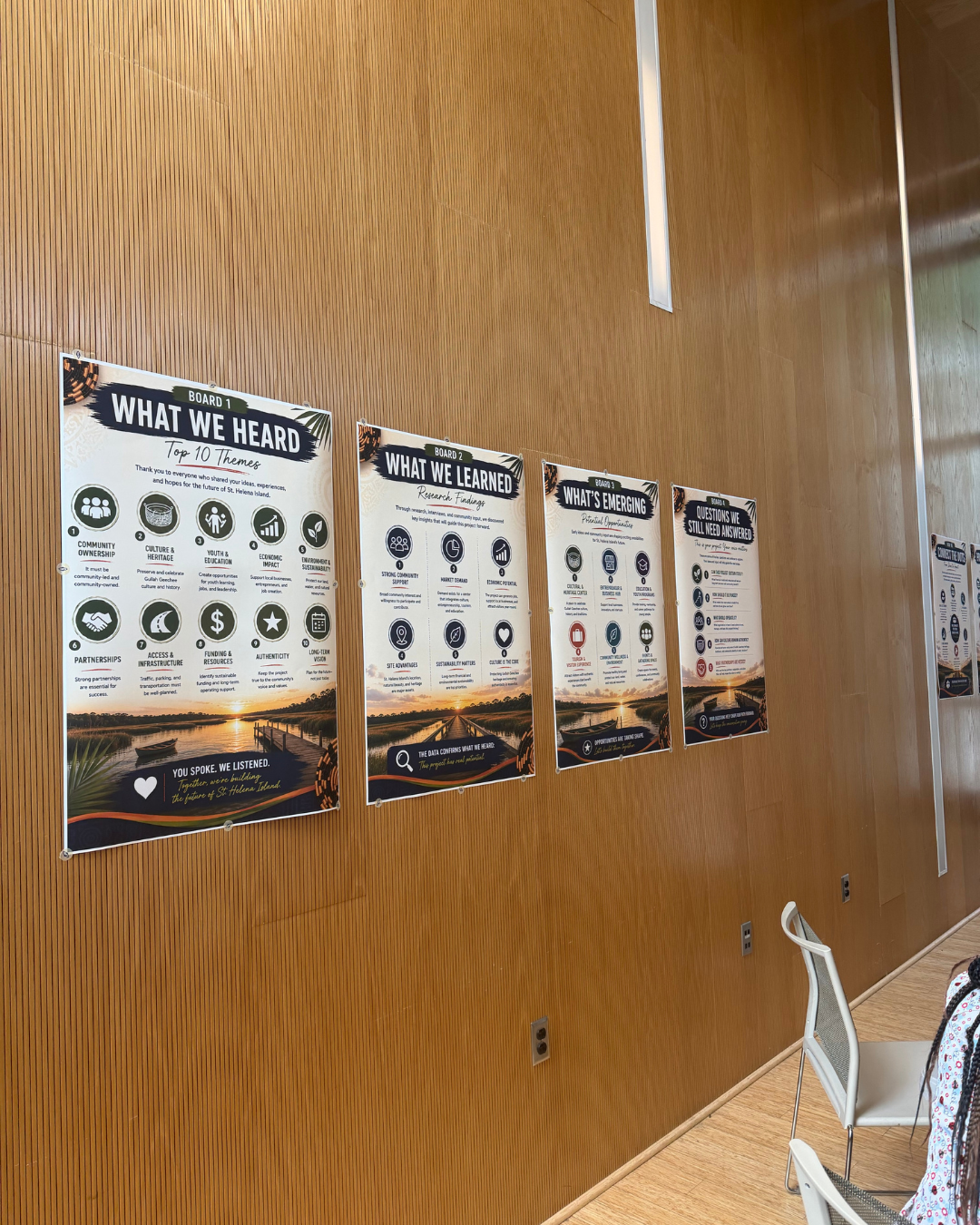
On July 13, the St. Helena community gathered for the third time at the St. Helena Branch Library — and this meeting marked a turning point. After months of listening, the St. Helena Island Economic Feasibility Study began sharing what it has learned, presenting real market, economic, and traffic data alongside the community's own priorities.
The evening opened with a project update: since June, the team has launched the project website, published a full recap of the previous meeting, conducted stakeholder interviews, gathered traffic study information, and completed a substantial round of market research. Community members also saw how their earlier input has directly shaped the direction of the work.
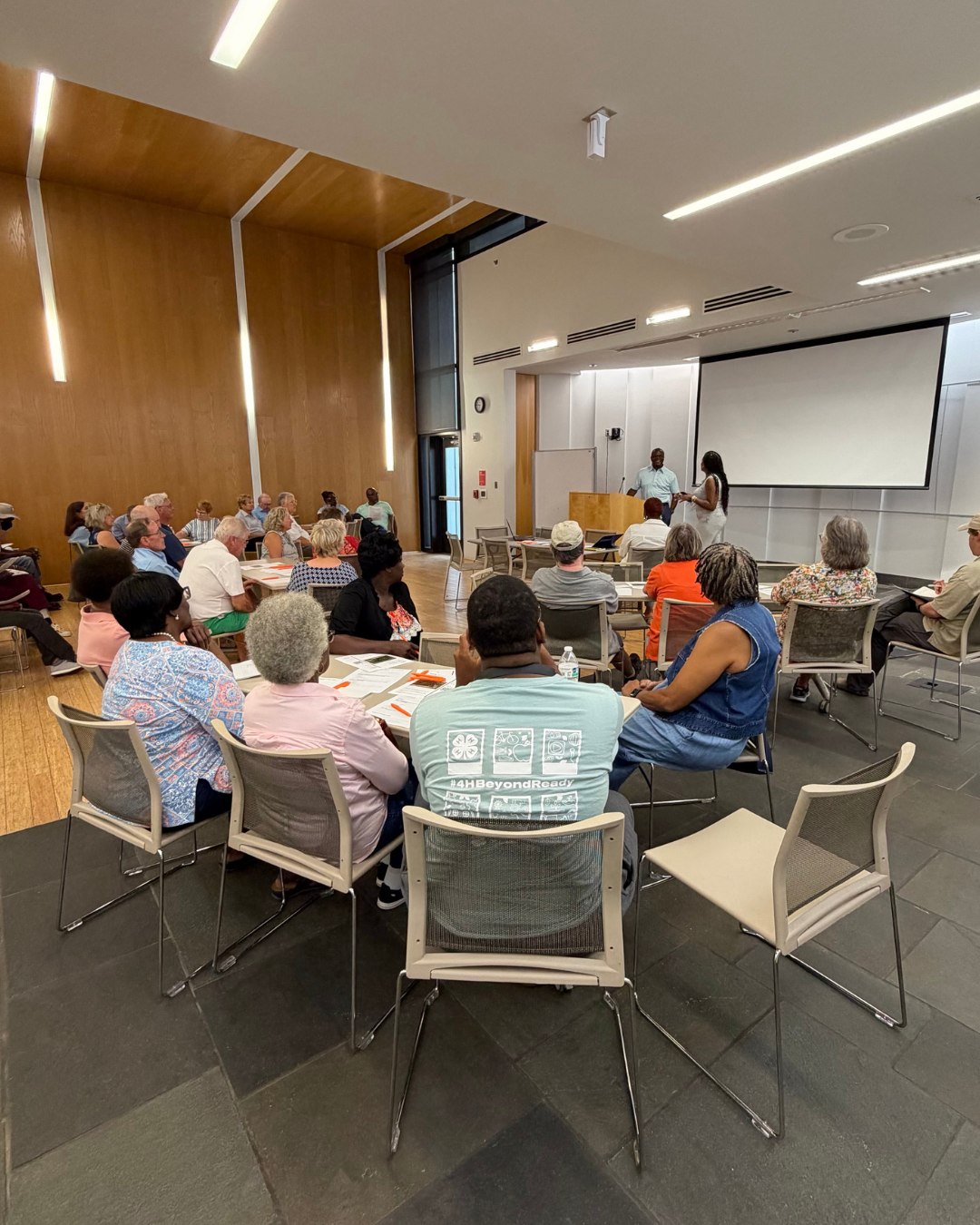
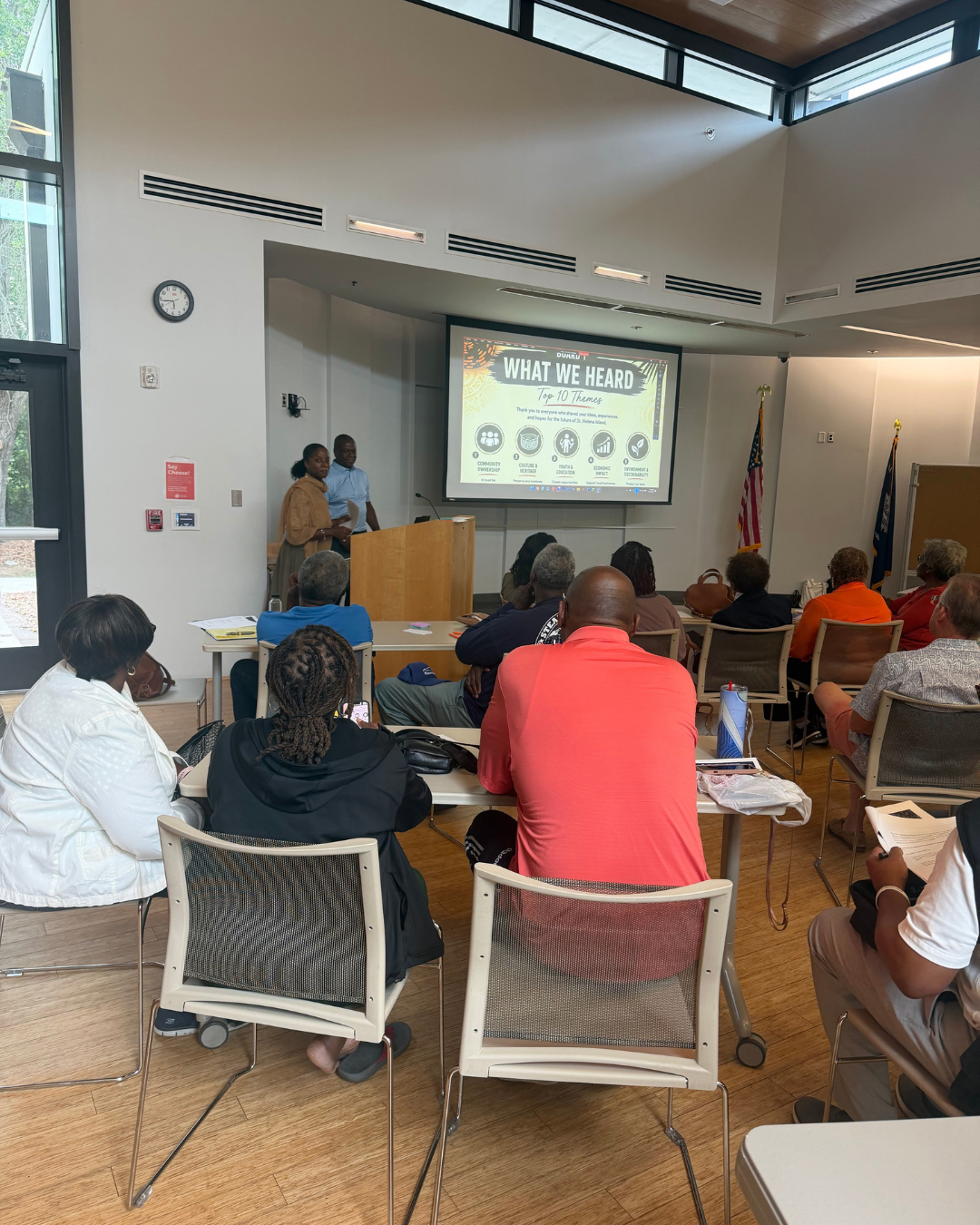
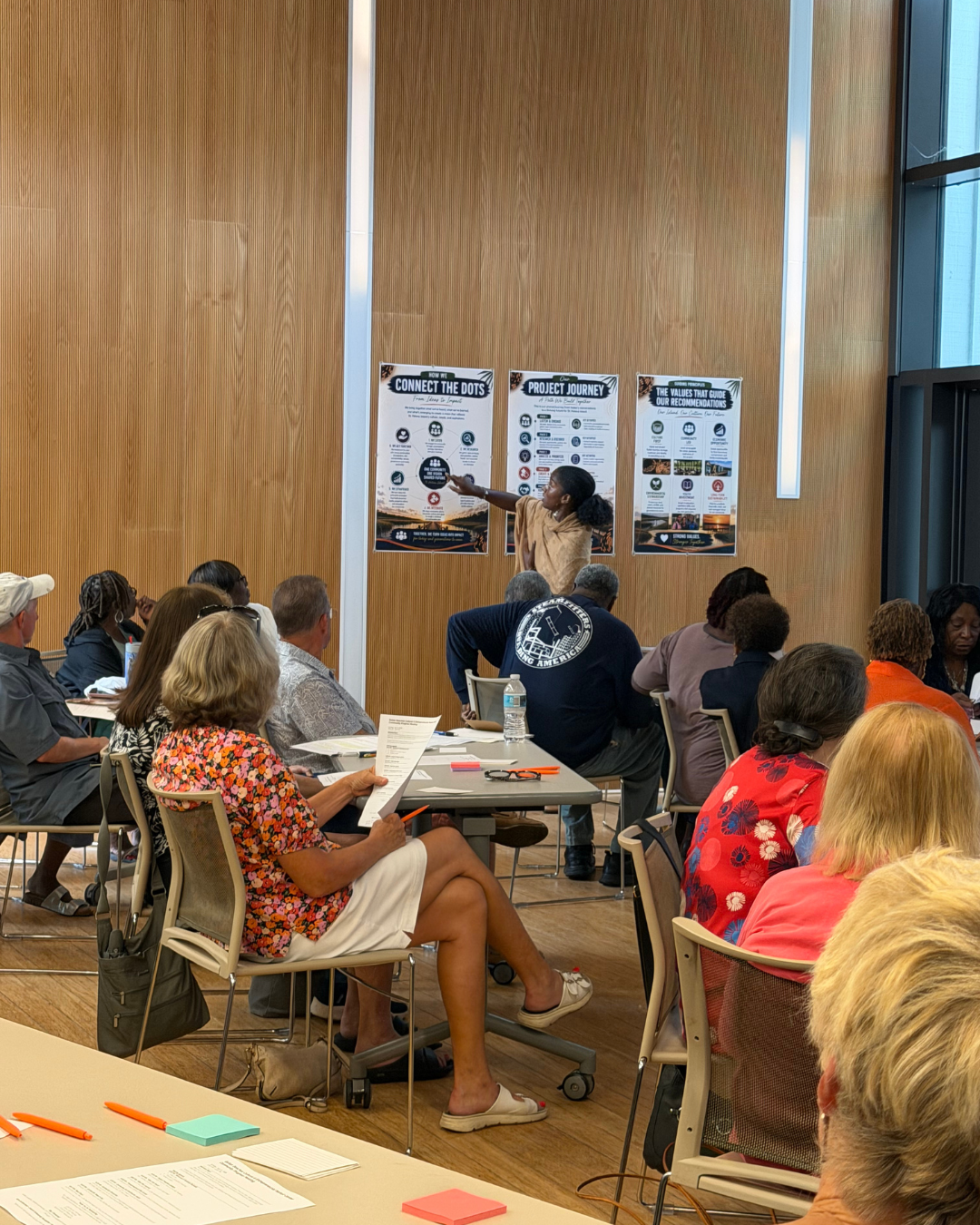
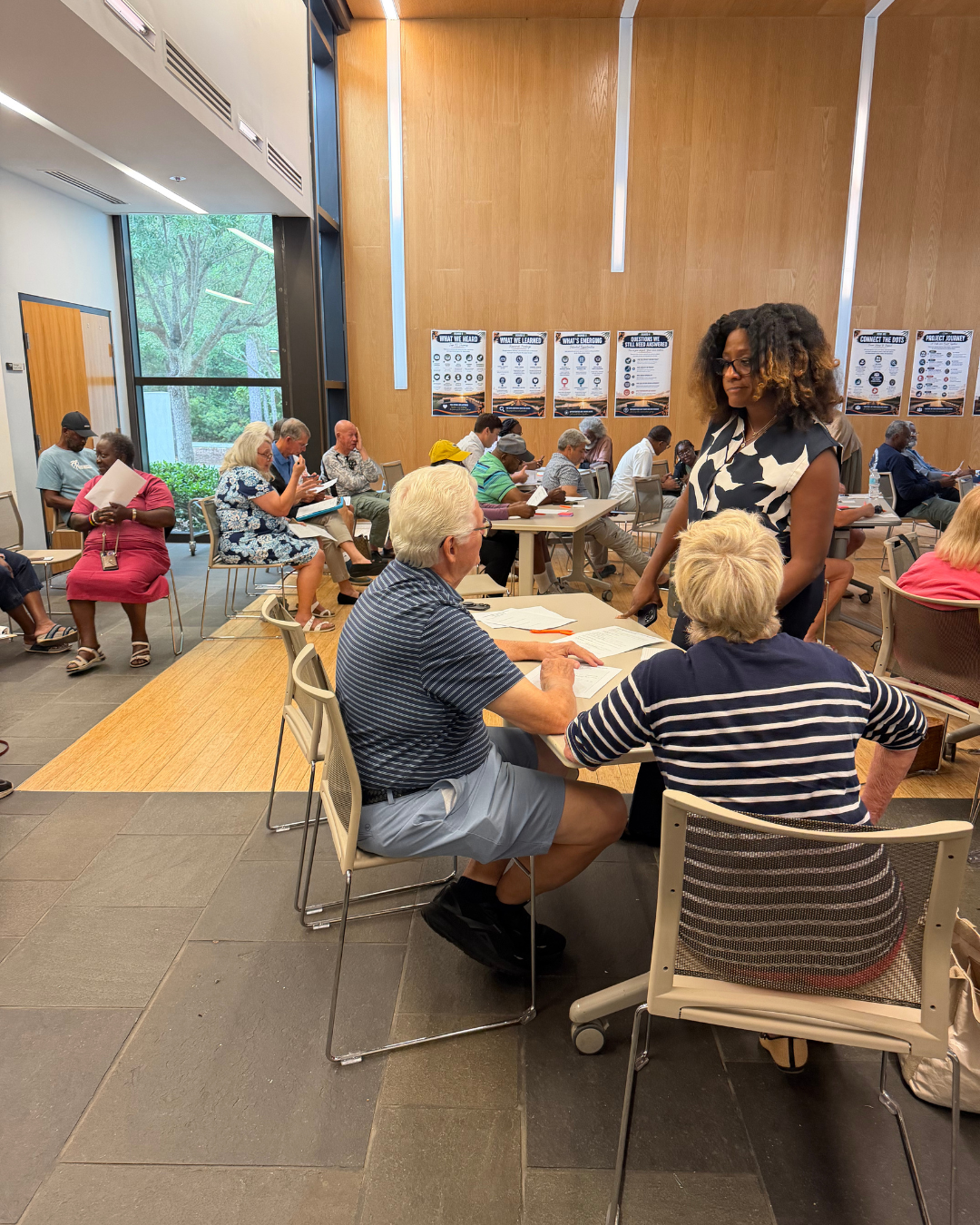
What the market data revealed
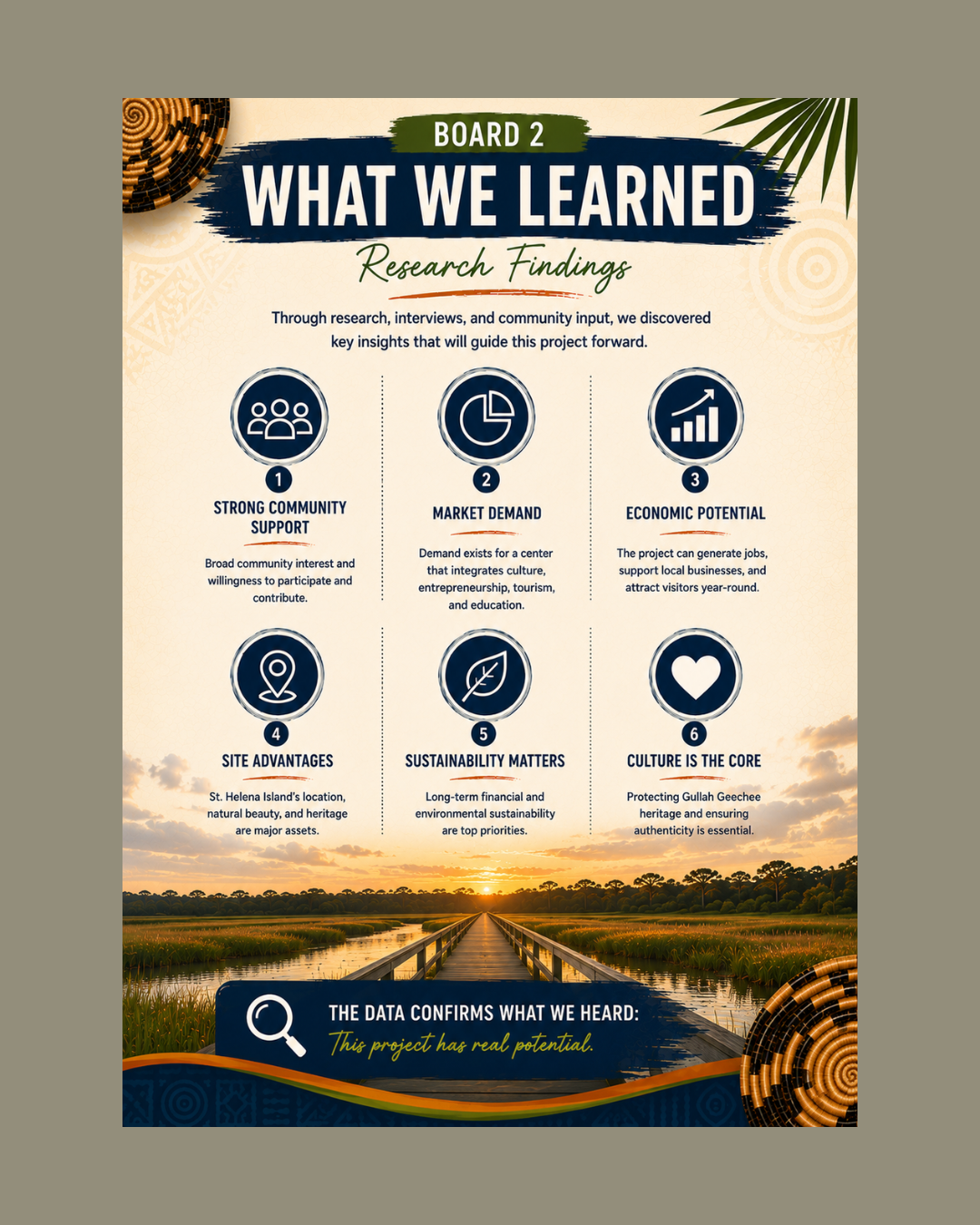
The heart of the evening was a market and economic analysis presented by Racquel Collier of Caliber Real Estate. The findings gave clear, evidence-based shape to a question the community has been asking from the start: is there a real economic case for something at this site?
The data pointed to a consistent story — strong regional demand, with a documented local gap:
Beaufort County saw $2.523 billion in direct travel spending in 2024, the third-highest in South Carolina, growing at a sustained 6.4% annually since 2014.
Local spending on entertainment and recreation indexes below the national average on St. Helena — but aboveaverage across the broader 60-minute region. In plain terms: the appetite is here, but there's nowhere close by to spend it, so those dollars leave the island.
There is commercial space available nearby — 140 spaces for lease from Lady's Island to Beaufort — but none of it on St. Helena, and none in the island's corridor.
The visitor picture is bigger than hotel data suggests. Hunting Island alone draws more than a million day-use visitors a year — every one of them passing this site on the only road in and out.
On entrepreneurial opportunity, comparable sites point toward a shared vendor-stall model as a realistic entry point for local businesses, rather than standalone storefronts. For reference, similarly missioned sites price smaller stall spaces at roughly $350–650/month, though final pricing for this site would need its own analysis. Notably, this direction lines up with what the community itself said: trade classes and workforce development scored among the highest priorities at the previous meeting. in addition to serving small business owners, the vendor-stall space could also serve as a venue for organizations delivering workforce development programs.
The synthesis was measured and honest: the market appears to support a modest, phased commercial program — one anchored in residents, day-trippers, and shoulder-season visitors rather than overnight tourism growth. As the team put it, the market supports something real here; the next phase of work is sizing exactly what, and how much.
Hearing the community on traffic and access
Throughout this study, one concern has come up more consistently than almost any other: traffic. Residents have been clear that Sea Island Parkway is the lifeline of the island — the road everyone depends on — and that any new activity at this site must not make getting around harder or less safe. We heard that clearly, and it has been treated as a priority in the analysis.
To ground the conversation in facts, the team shared existing traffic data for the corridor, prepared by Ridgeway Traffic Consulting. The numbers confirm what residents know from experience: Sea Island Parkway (US 21) is a well-traveled road, carrying roughly 17,000 to 21,000 vehicles on a typical day, while Polowana Road sees far less — about 2,900 vehicles a day. The site sits at an existing signalized intersection of the two.
What the data indicates is encouraging: a modest, phased development of the kind the market analysis points toward can be accommodated on this corridor. Just as important, the team is giving careful attention to where and how vehicles would enter and leave the site — identifying the safest possible access points so that traffic flow and pedestrian safety are protected, not compromised. This is exactly the kind of question a feasibility study exists to answer before any decisions are made.
The community weighed in
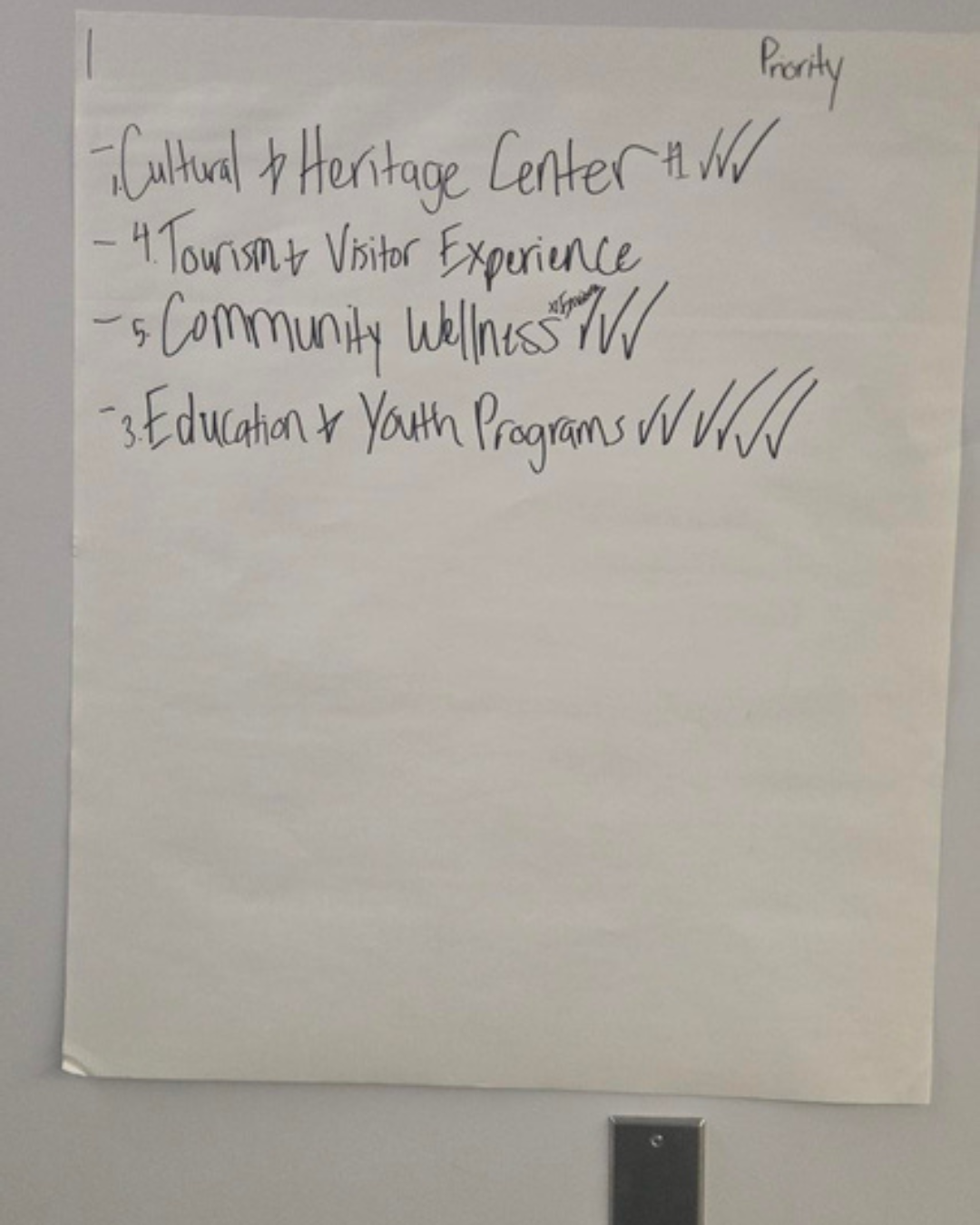
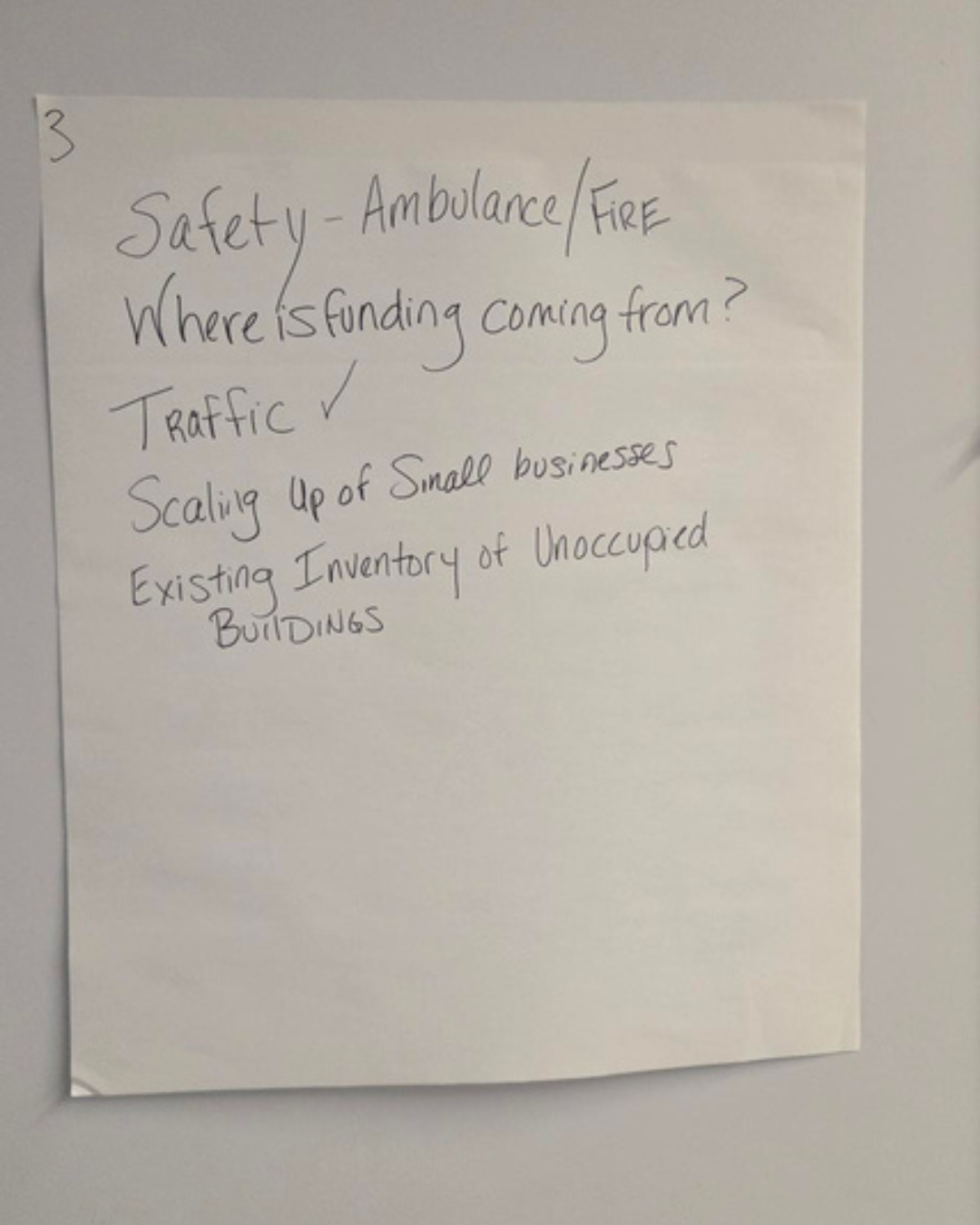
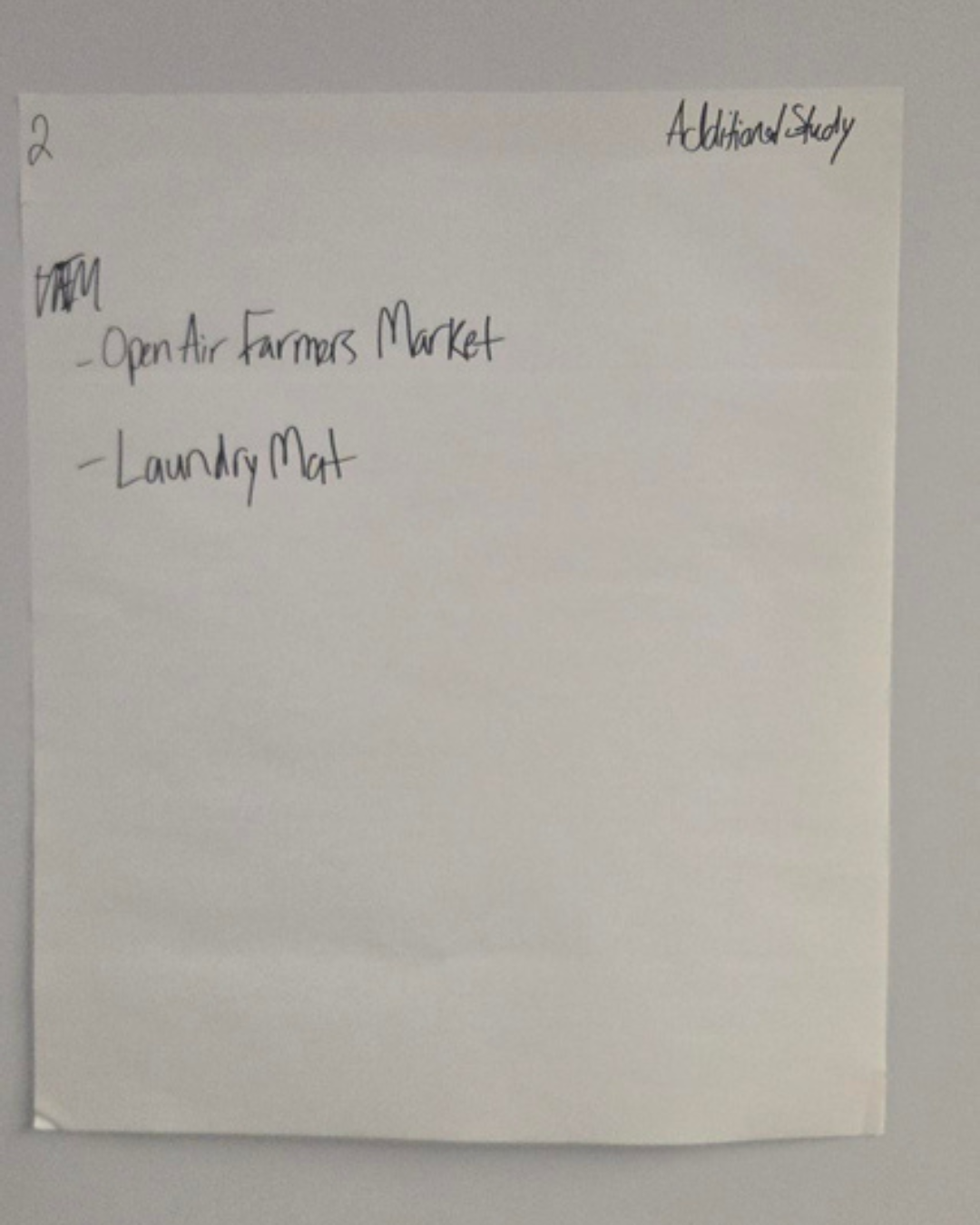
True to the study's approach, the evening didn't end with a presentation. Community members were asked to respond to everything they'd heard and help guide what comes next: What should receive the highest priority? What ideas deserve further study? What concerns still need to be addressed?
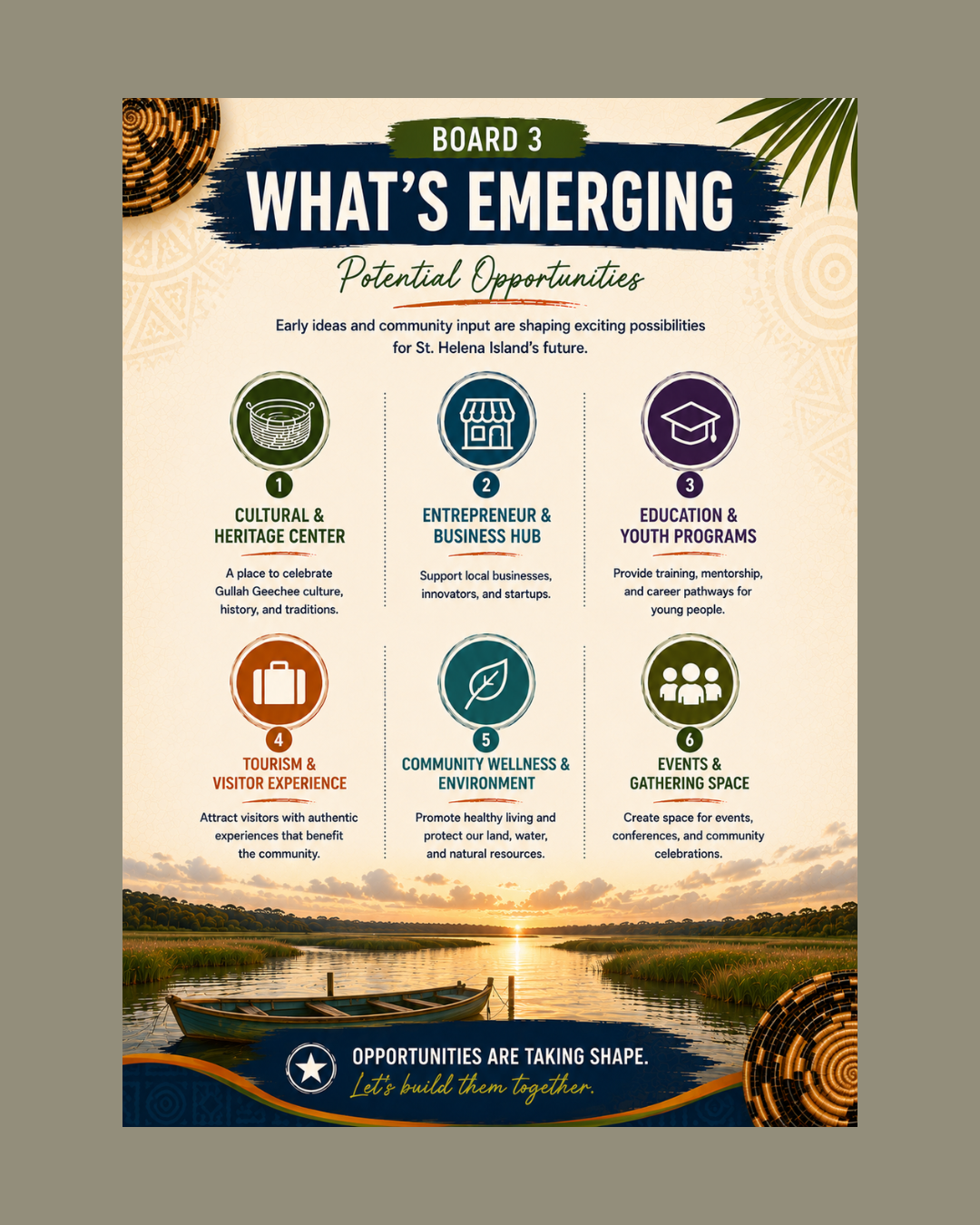
From that discussion, a clear set of priorities rose to the top — the directions the community most wants to see carried into the next phase of study for the property:
Youth and Education Programs
Culture and Heritage Center
Community Wellness and Environment
Tourism and Visitor Experience
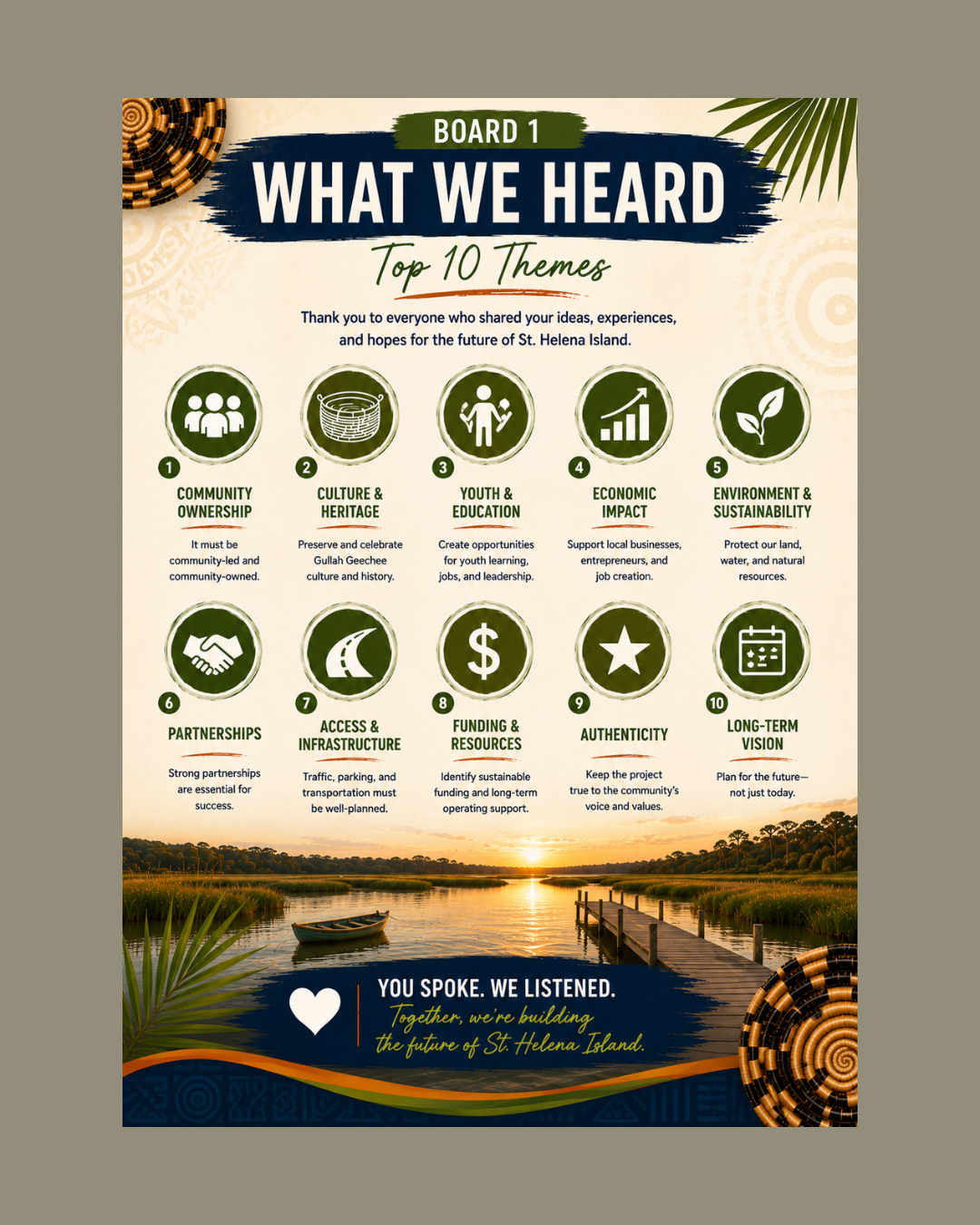
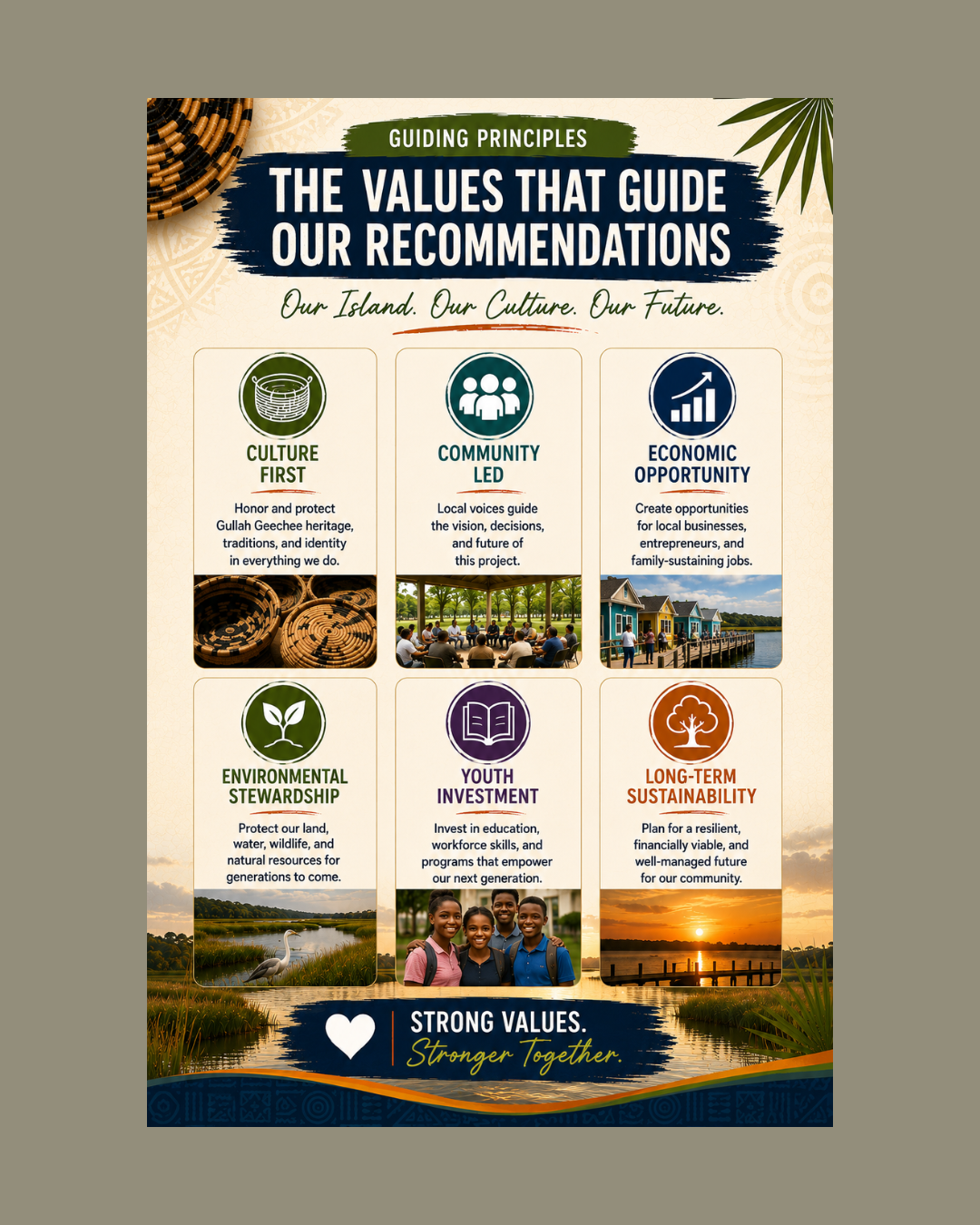
These priorities reflect what the community has consistently emphasized throughout the study: honoring Gullah Geechee culture, investing in young people, caring for the land and the well-being of residents, and welcoming visitors in a way that keeps the benefit local. They now move forward as the focus of the next phase of analysis, while continuing to monitor the key challenges and concerns identified by the community.
What comes next
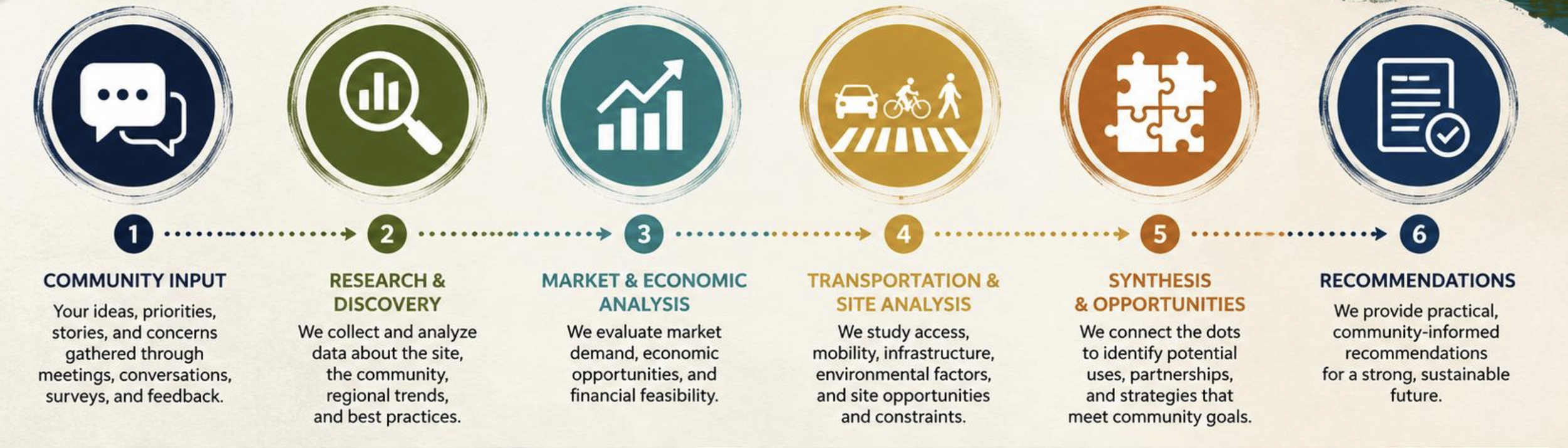
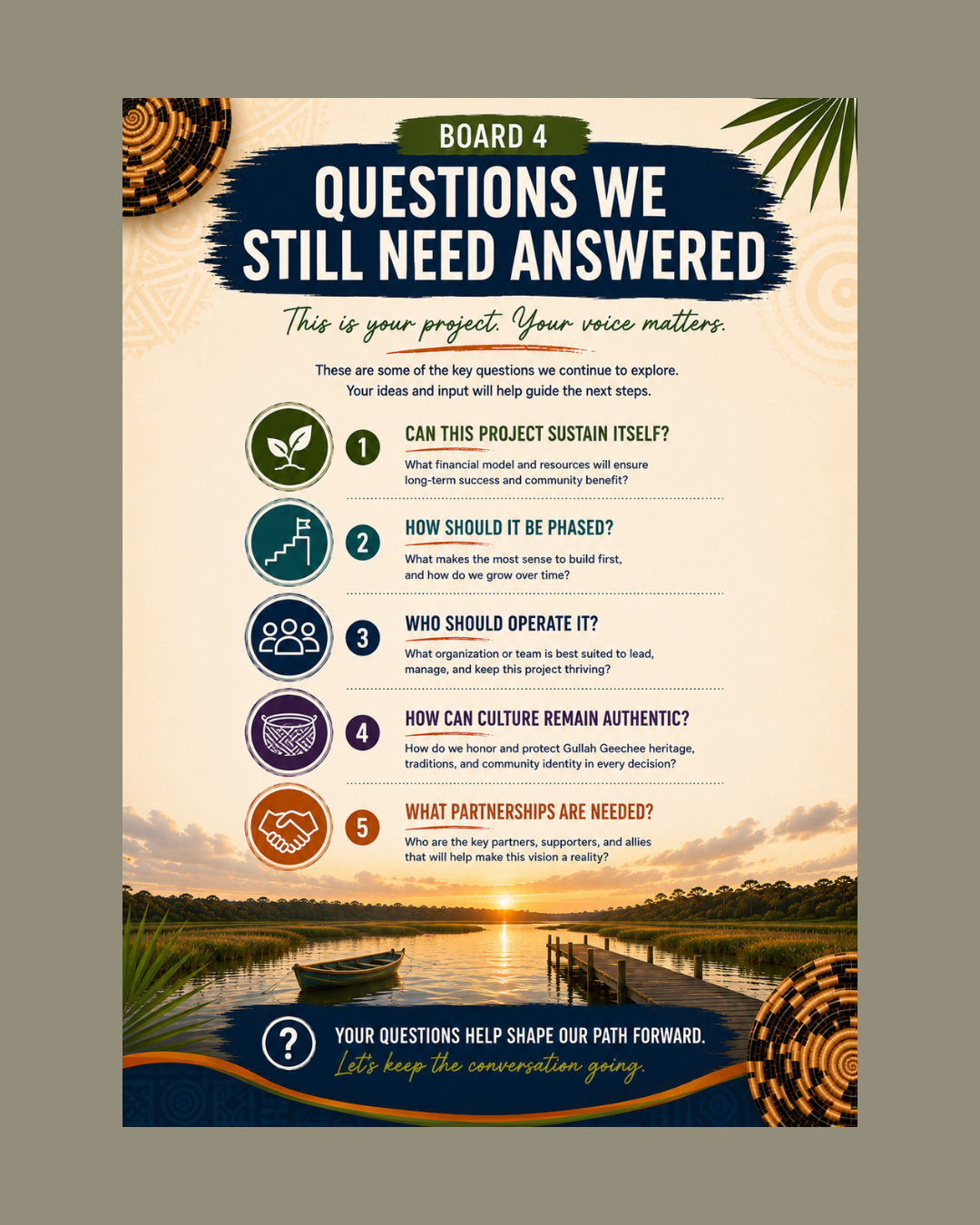
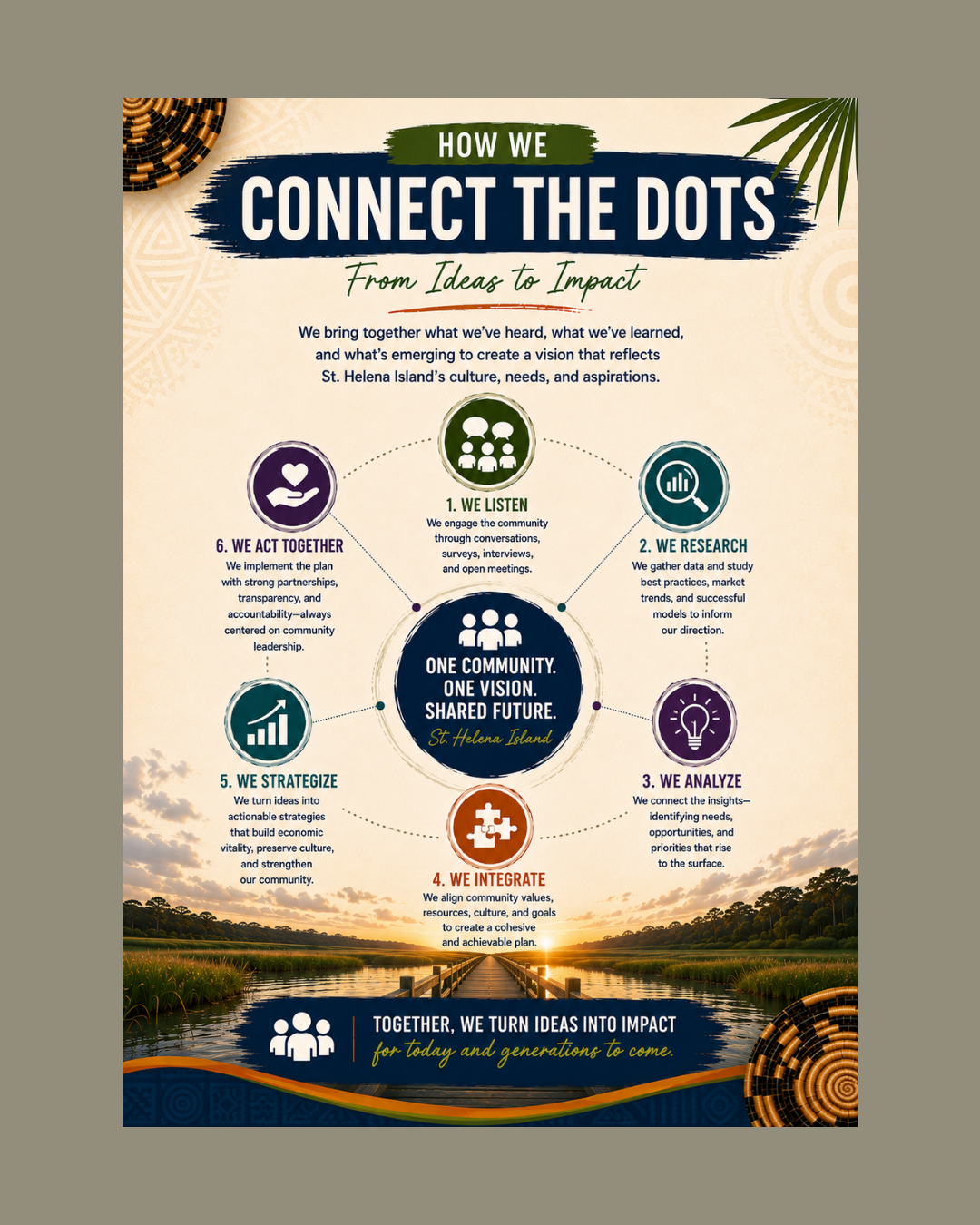
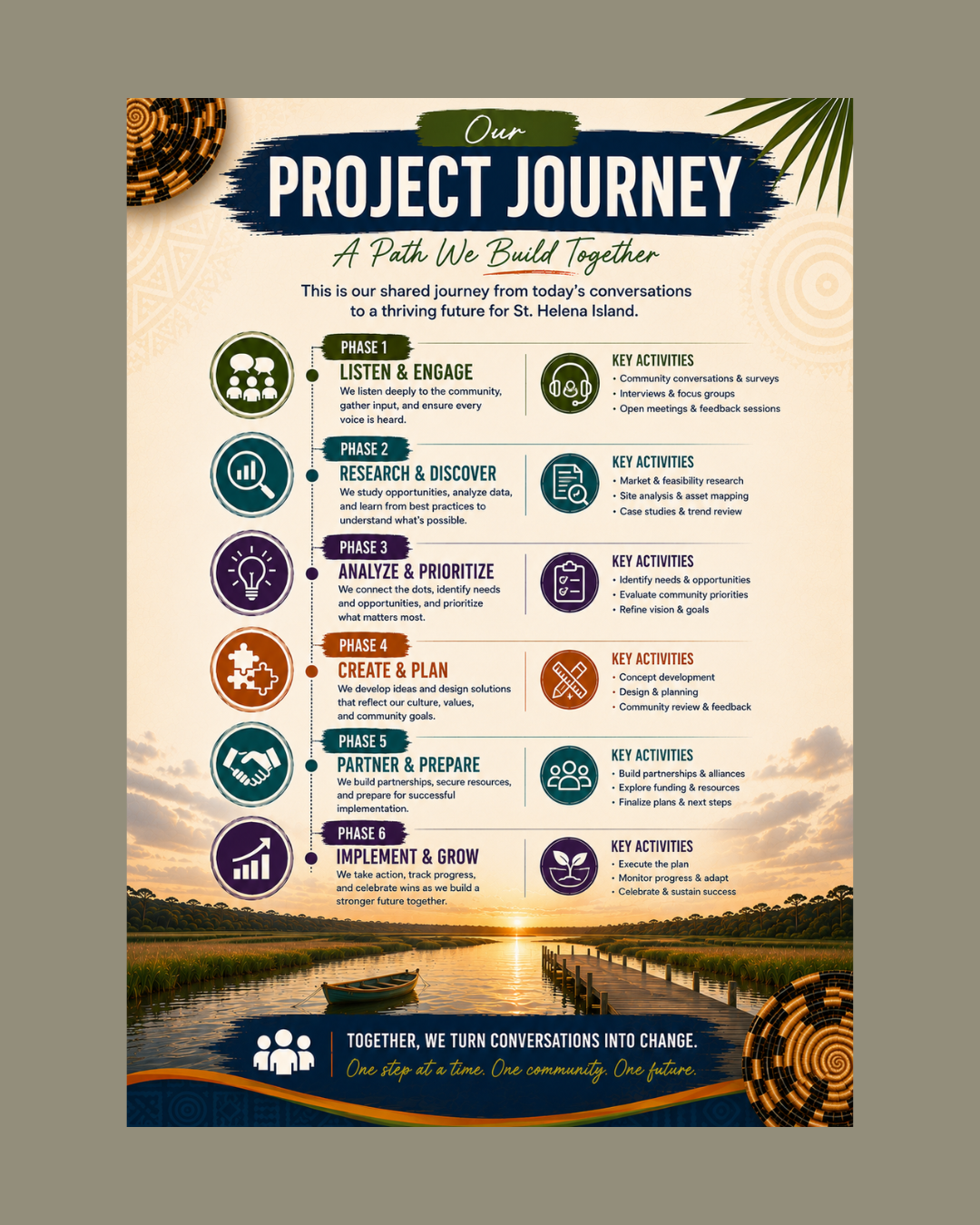
The study is now moving from listening into deeper analysis. Over the coming weeks, the team is completing stakeholder interviews, meeting with cultural leaders, finalizing the market analysis, and developing the building blocks of a realistic plan — including a conceptual program, operational and governance options, a funding strategy, and a framework for authentically representing Gullah Geechee culture.
That work is building toward the next community meeting, where the team plans to share several realistic development scenarios grounded in the analysis. The community will be invited to compare them, weigh what they like against what concerns them, and help refine the direction — before final recommendations are presented to Coastal Community Foundation in September.
Nothing has been decided. What's emerging is a clearer, evidence-based picture of what could realistically work at the corner of Sea Island Parkway and Polowana Road — shaped, at every step, by the people who call St. Helena Island home.
Want to stay involved?
We welcome continued engagement for the community.. Here are two things you can do:
Attend the next community meeting.
Plan to join us for the next community meeting August 17, 2026, 5:30 - 7pm, at the Frissell House (Penn Center, 16 Penn Center Circle West, Saint Helena Island, SC. 29920).
Share information with a friend or neighbor.
Encourage your friends and neighbors to get involved with the study.A good place to start is to sign up for updates»