

St. Helena Island Economic Feasibility Study
St. Helena Island, South Carolina
Client: Coastal Community Foundation
Location: St. Helena Island, South Carolina
A community-informed study of the future of the land at the corner of Sea Island Parkway and Polowana Road on St. Helena Island, South Carolina — shaped, from the very beginning, by the people who call the island home.
About the Study
The St. Helena Island Economic Feasibility Study set out to answer a single question: what could the future hold for a piece of land at the corner of Sea Island Parkway and Polowana Road — and how could that future honor the people, culture, and character of St. Helena Island?
Led by MOA Architecture in partnership with the Coastal Community Foundation, the study was designed from the outset to be community-informed. That means the people of St. Helena shaped the questions the study asked and the priorities it explored. No direction was decided at the start. The study set out to listen first, and the recommendation that emerged grew directly from what residents said they wanted — and what they wanted to protect.
Importantly, this is not a county or government project. The land at the Corners was privately owned and could have been developed in many ways. Recognizing its importance to the community, the Open Land Trust — with support from the Coastal Community Foundation — acquired the property to preserve the opportunity for a community-centered outcome, guided every step of the way by St. Helena residents.
How We Got Here: The Project Journey
The study unfolded over several months in 2026, built around an open, phased process of listening and learning.
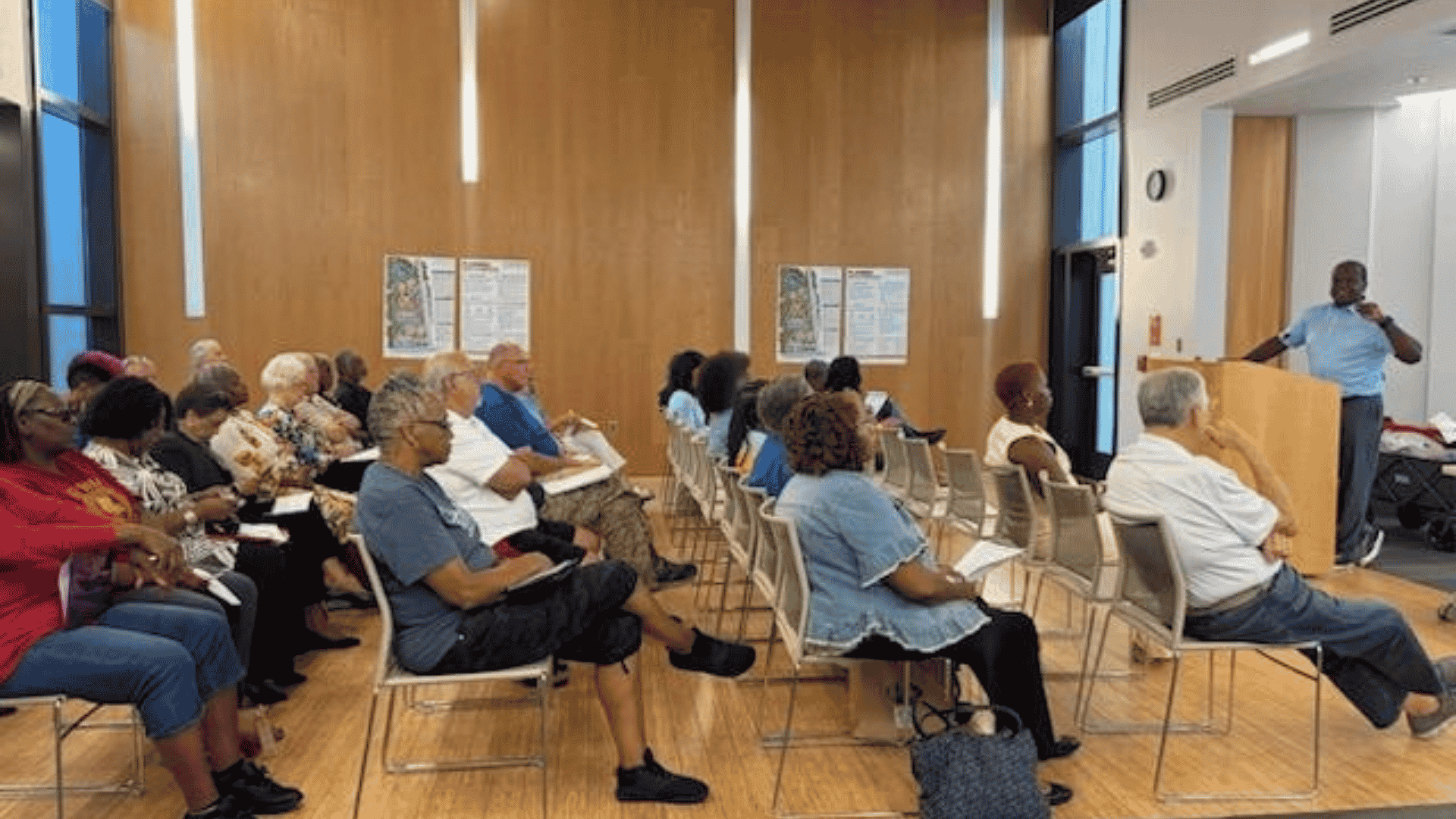
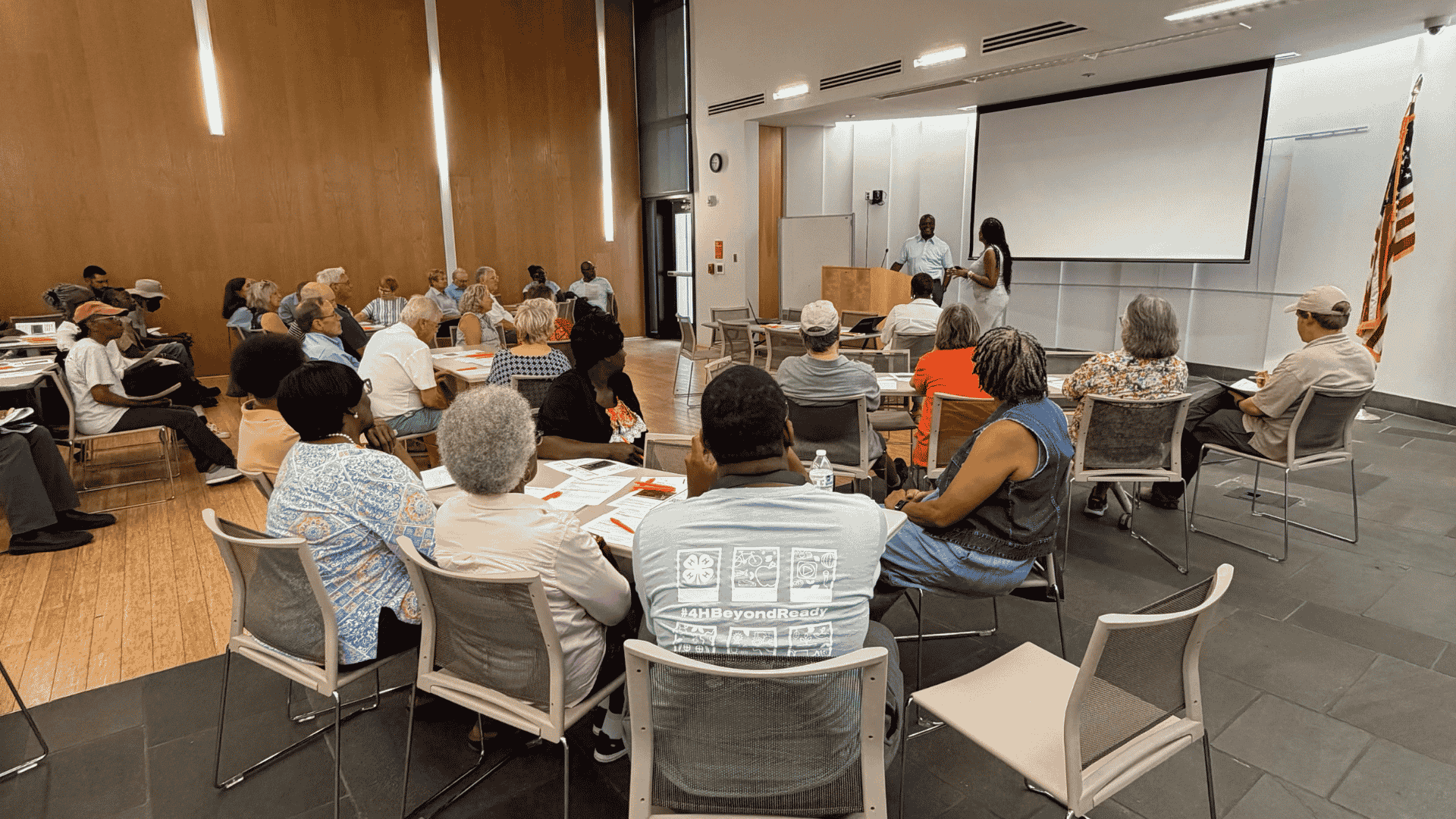
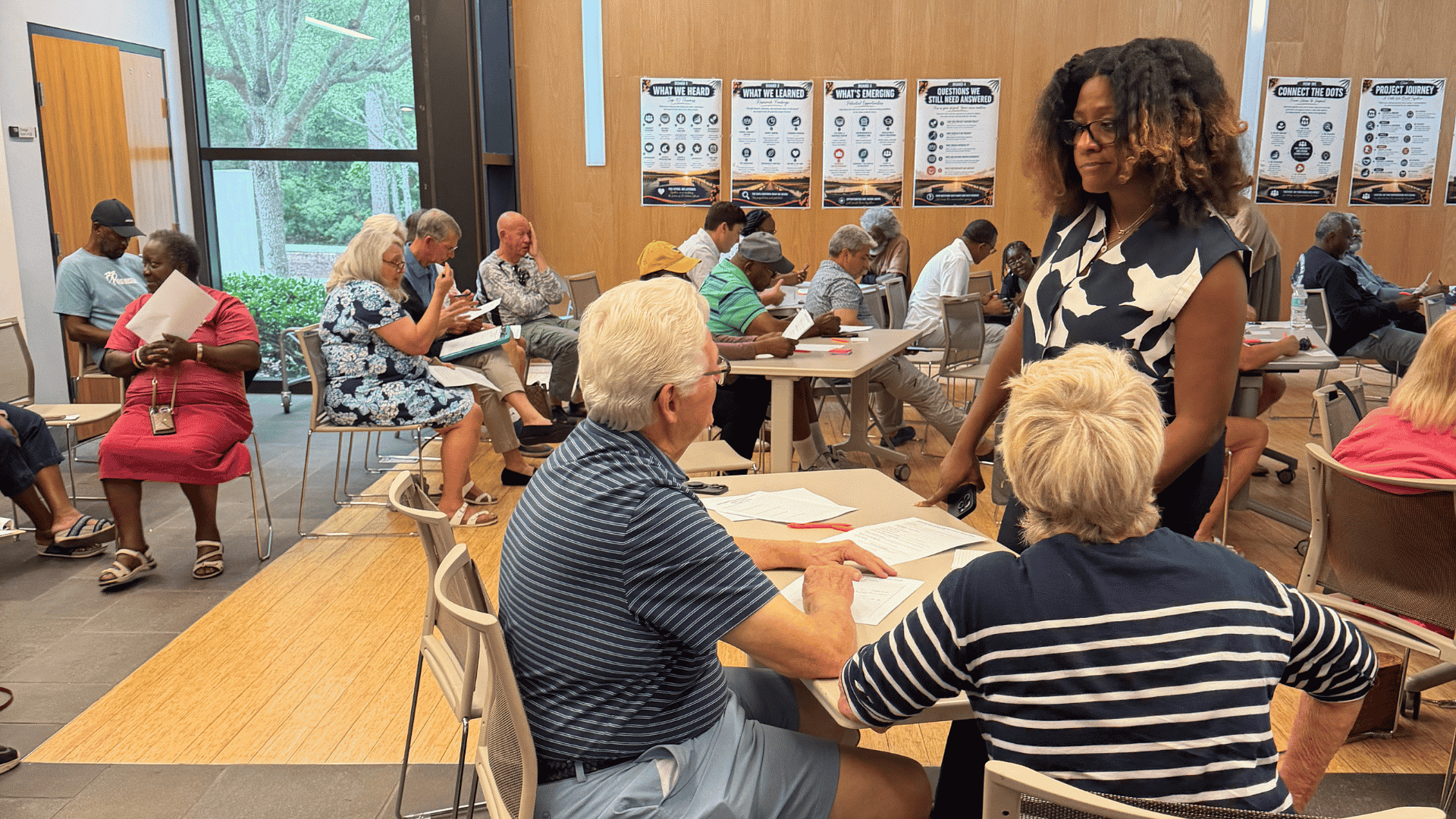
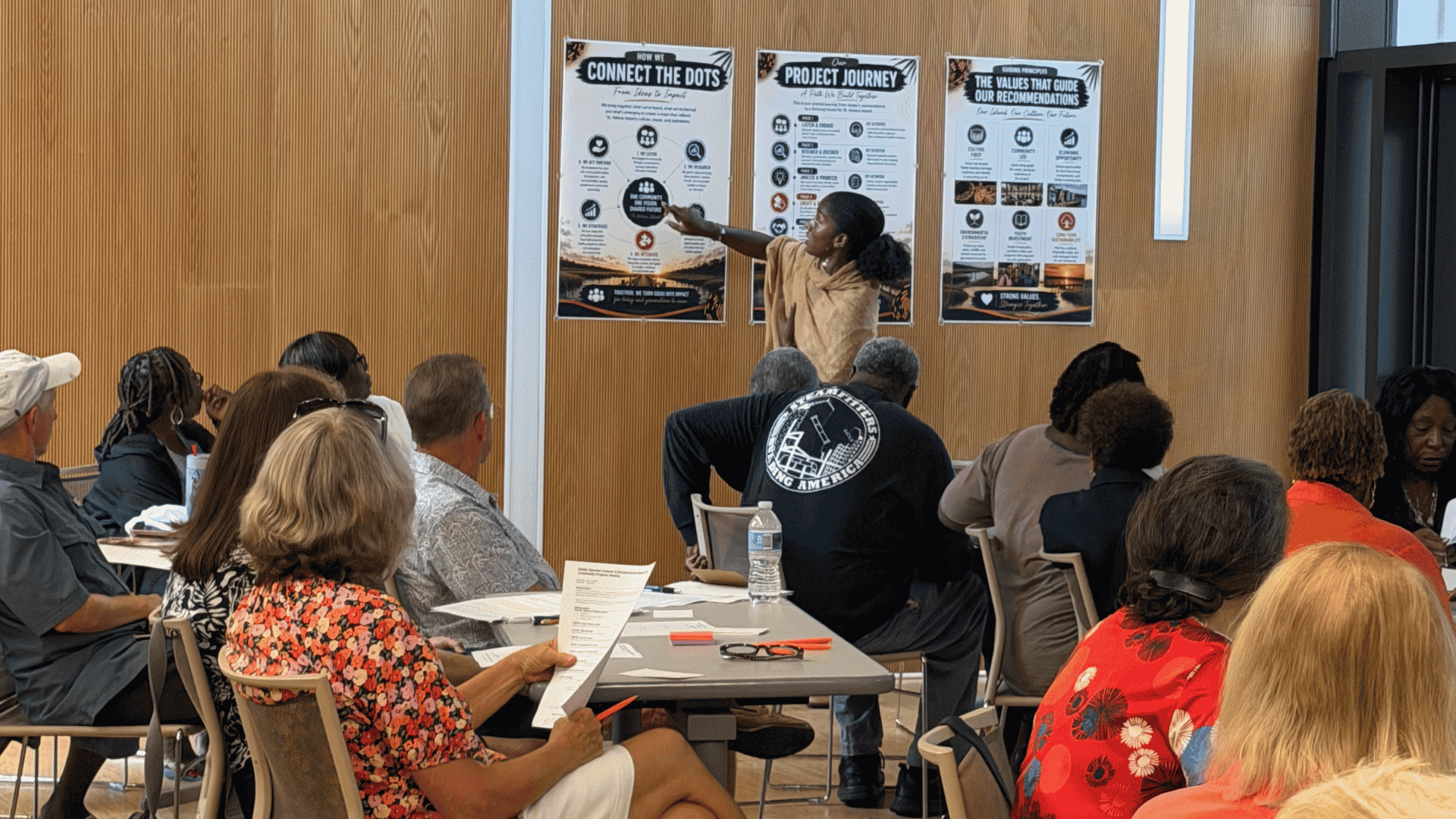
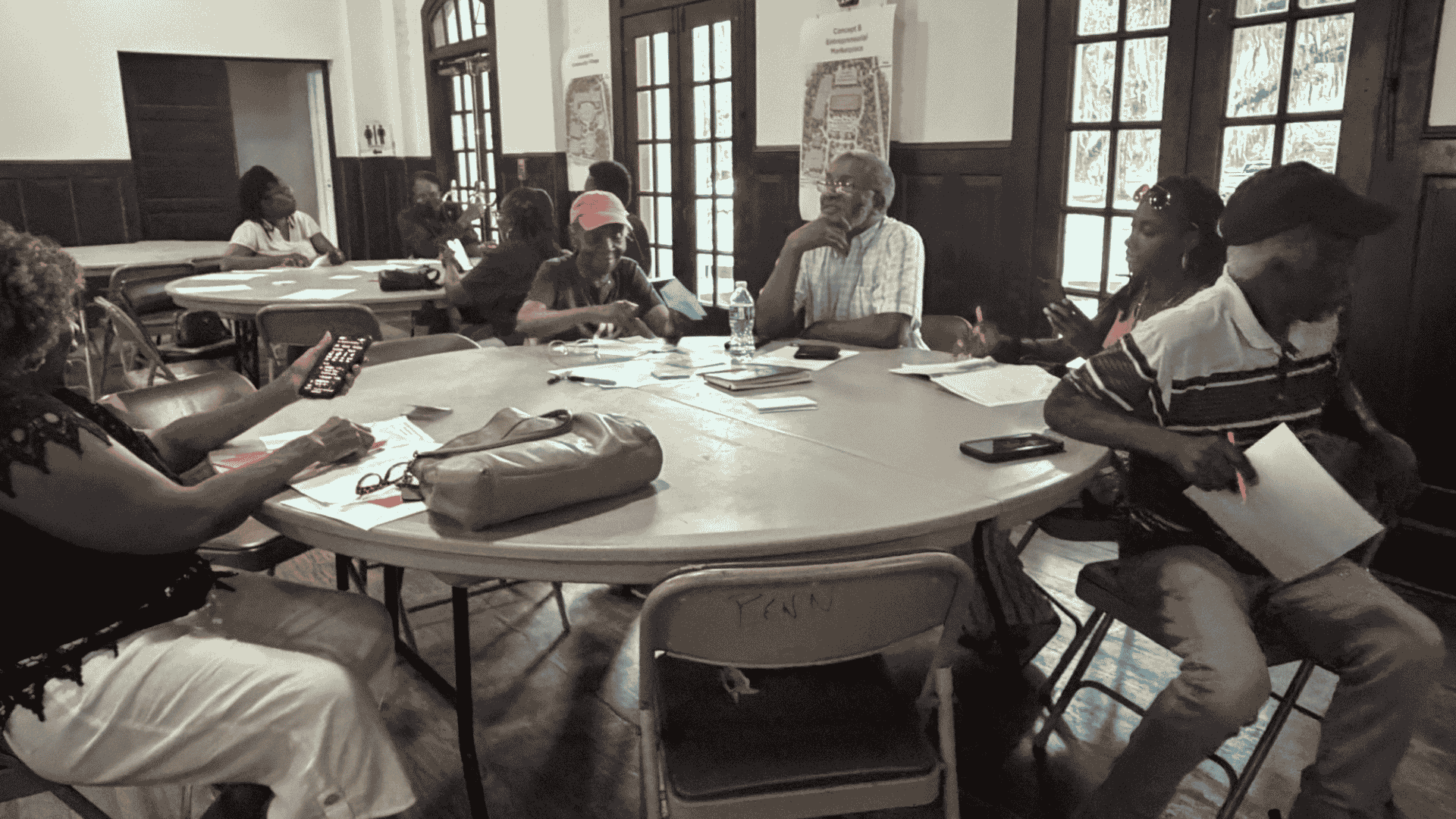
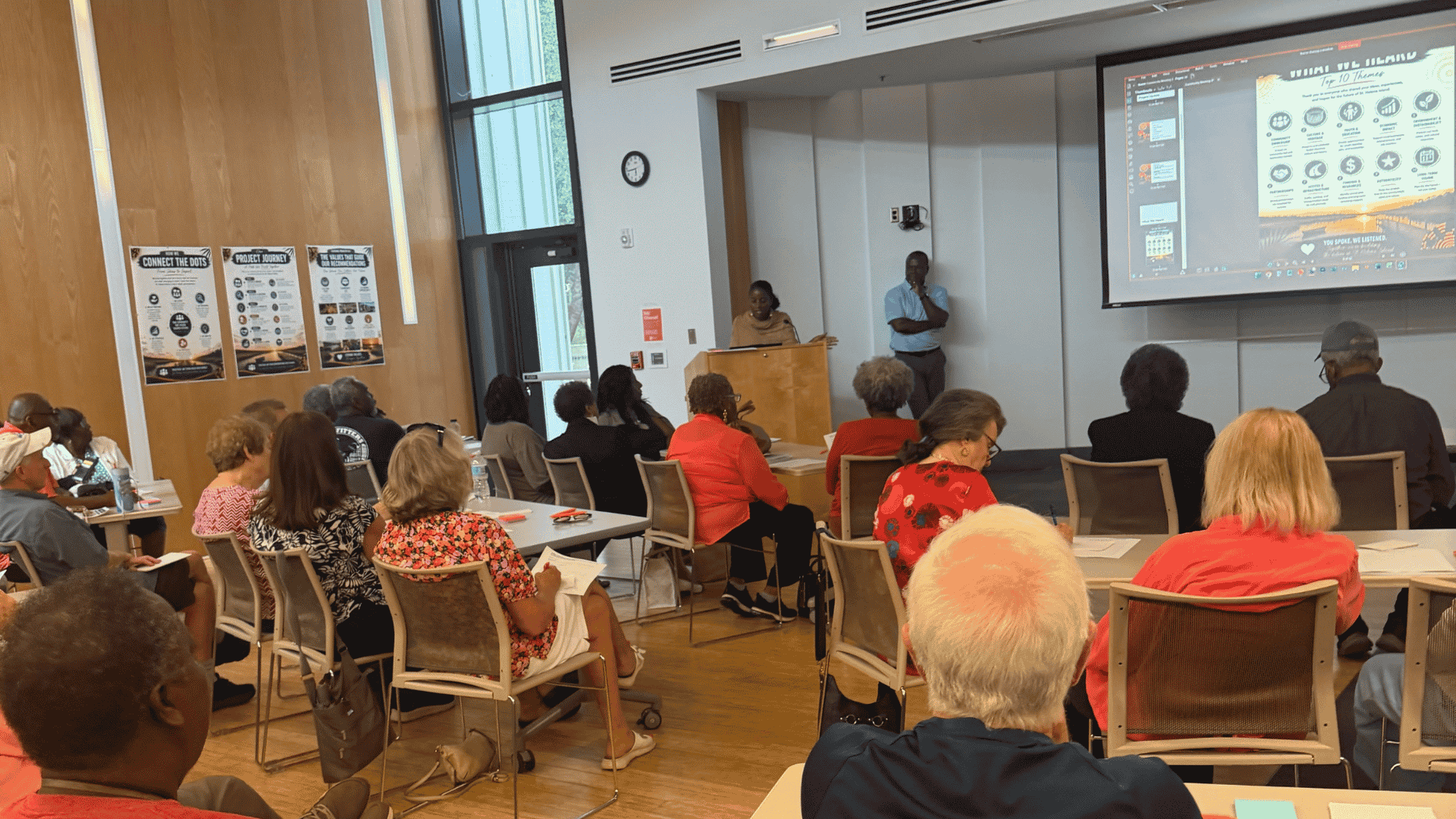
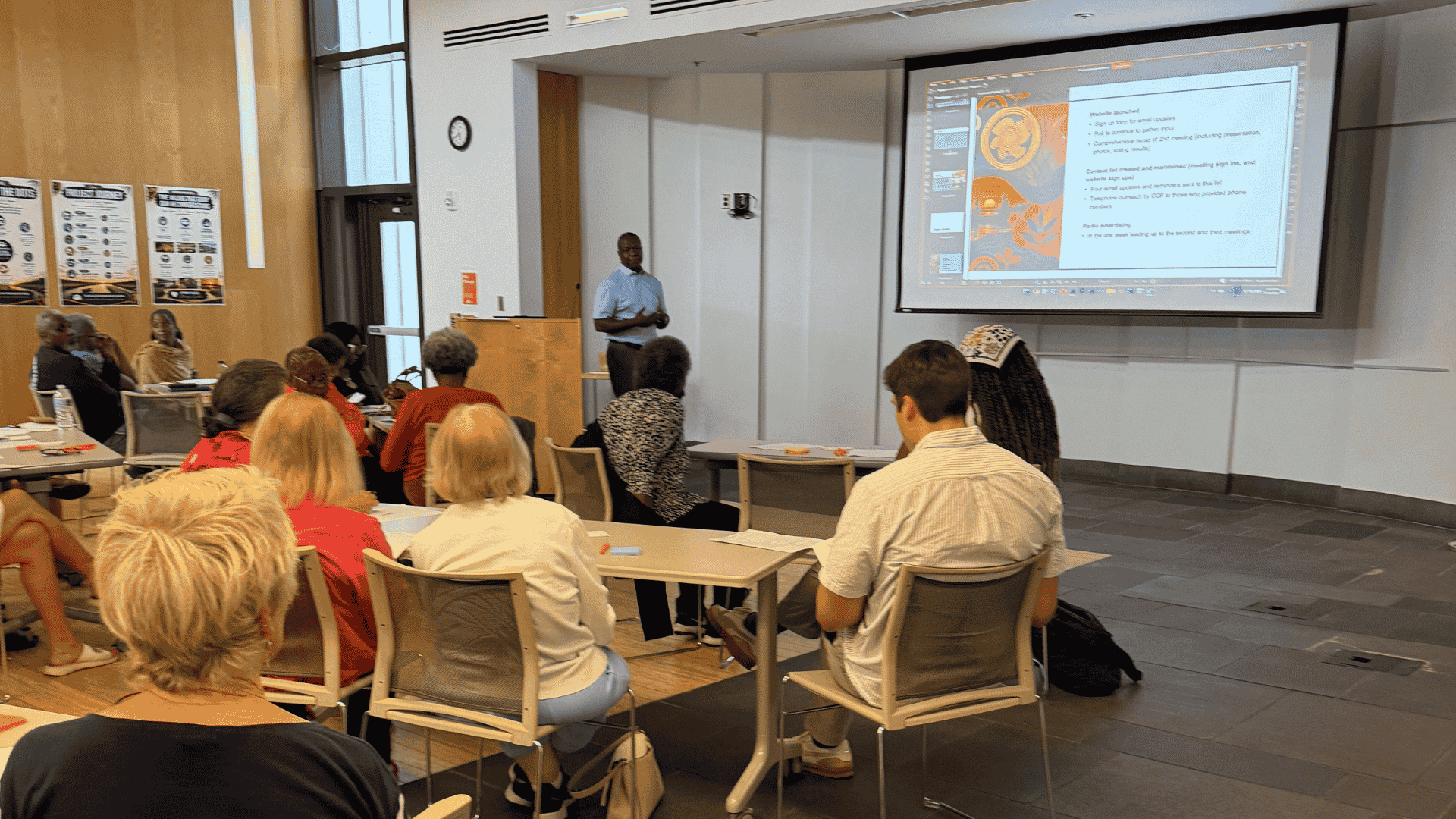
In May, a community kickoff introduced the study and invited residents to share their hopes for the site. In June, a visioning meeting gathered the community’s priorities and began shaping the direction of the work. Through the summer, the team conducted research — studying the land itself, analyzing market and economic data, reviewing comparable community spaces across the region, and examining traffic and site access. In August, the team brought three draft ideas back to the community to react to and refine. And in September, at the final community meeting, the study shared its recommendation and gathered the community’s feedback one last time.
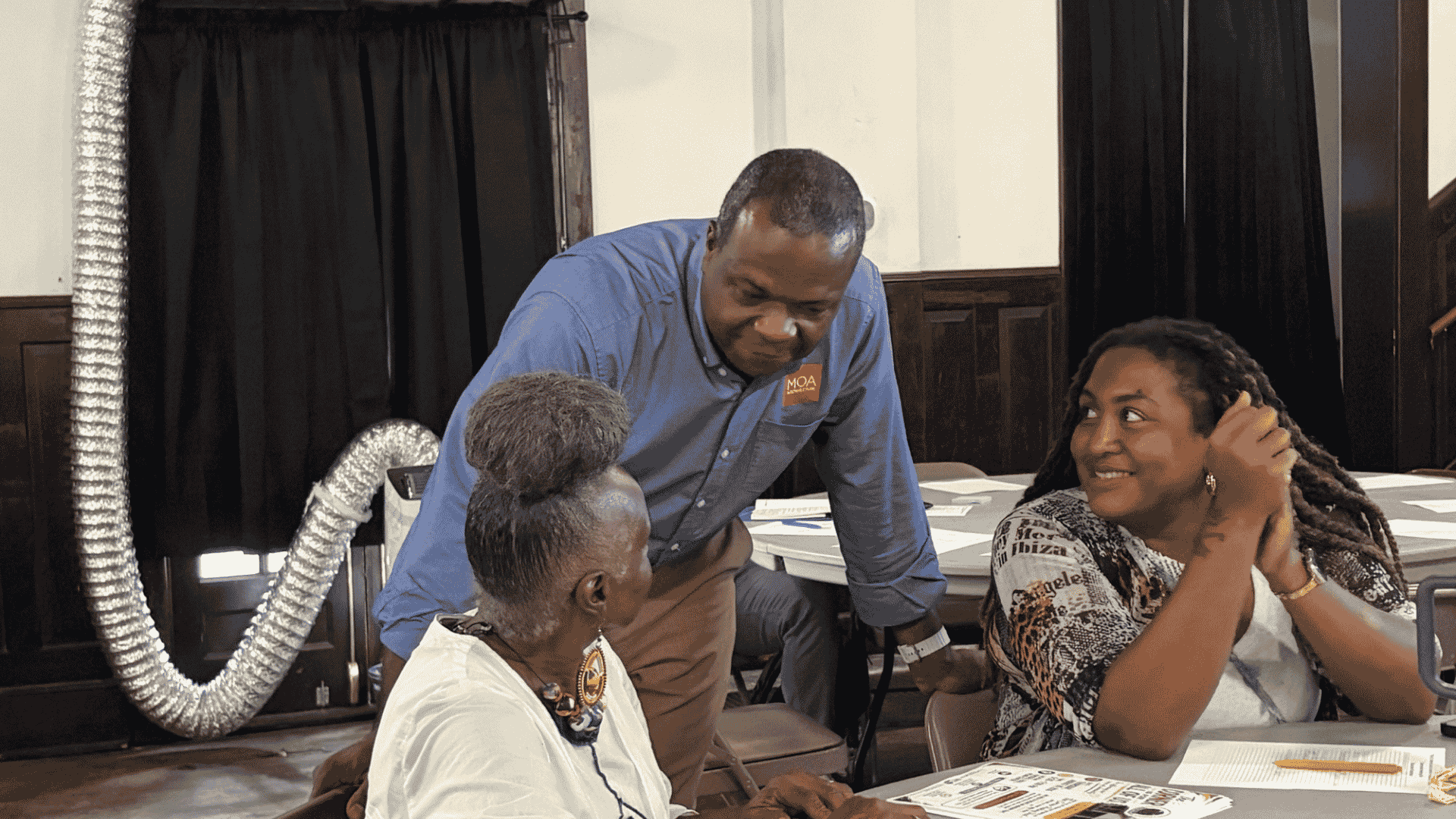
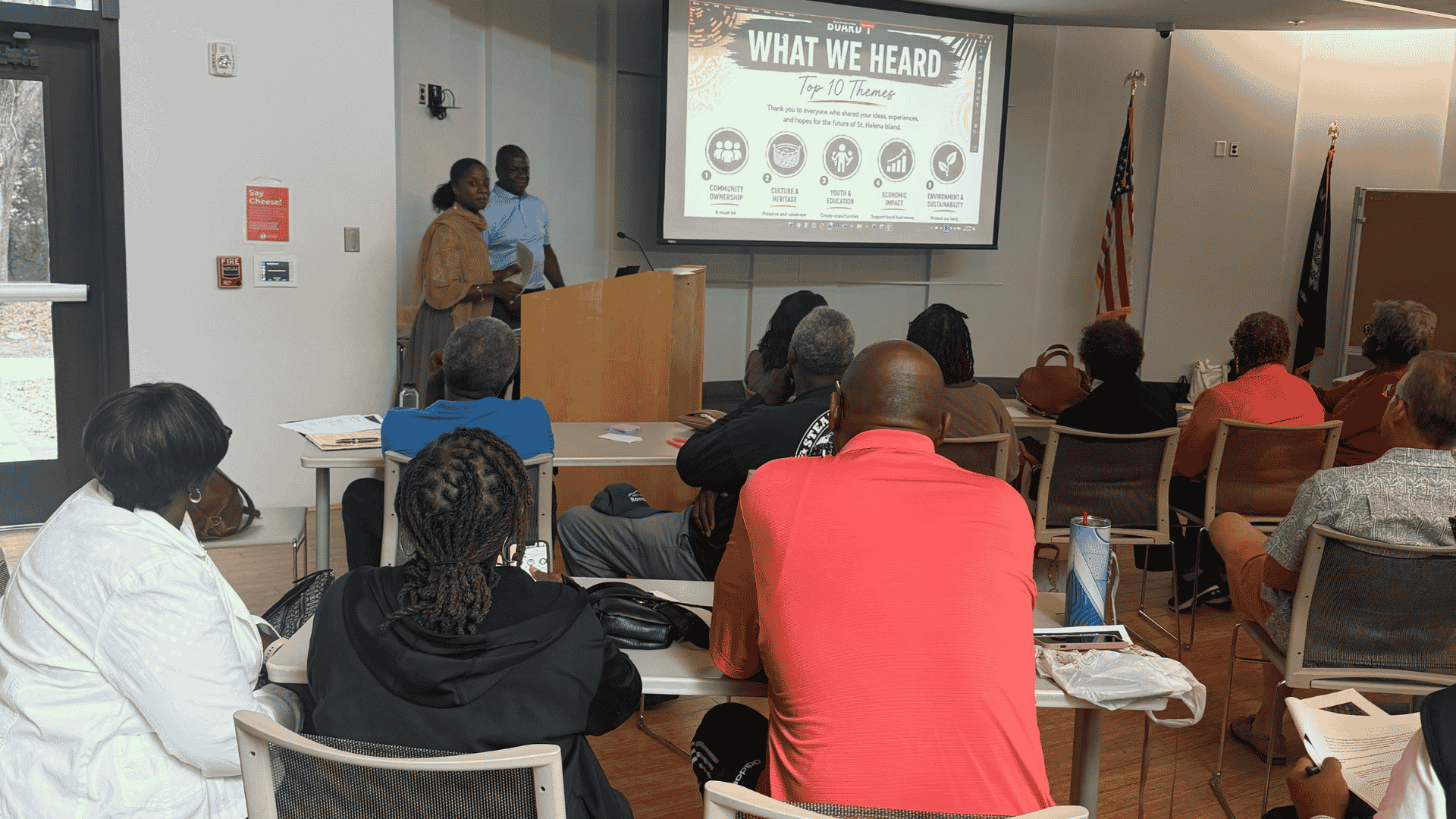
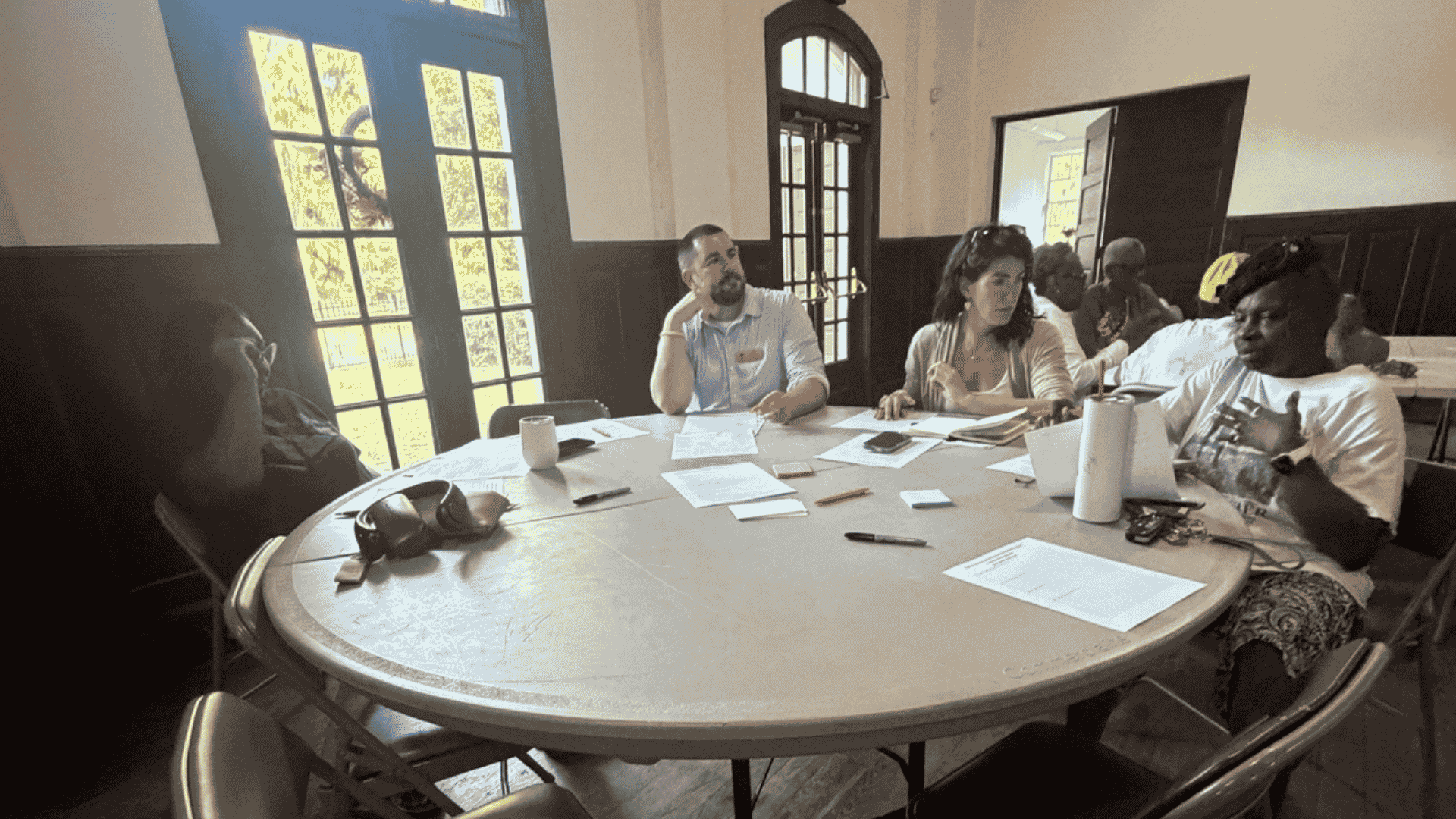
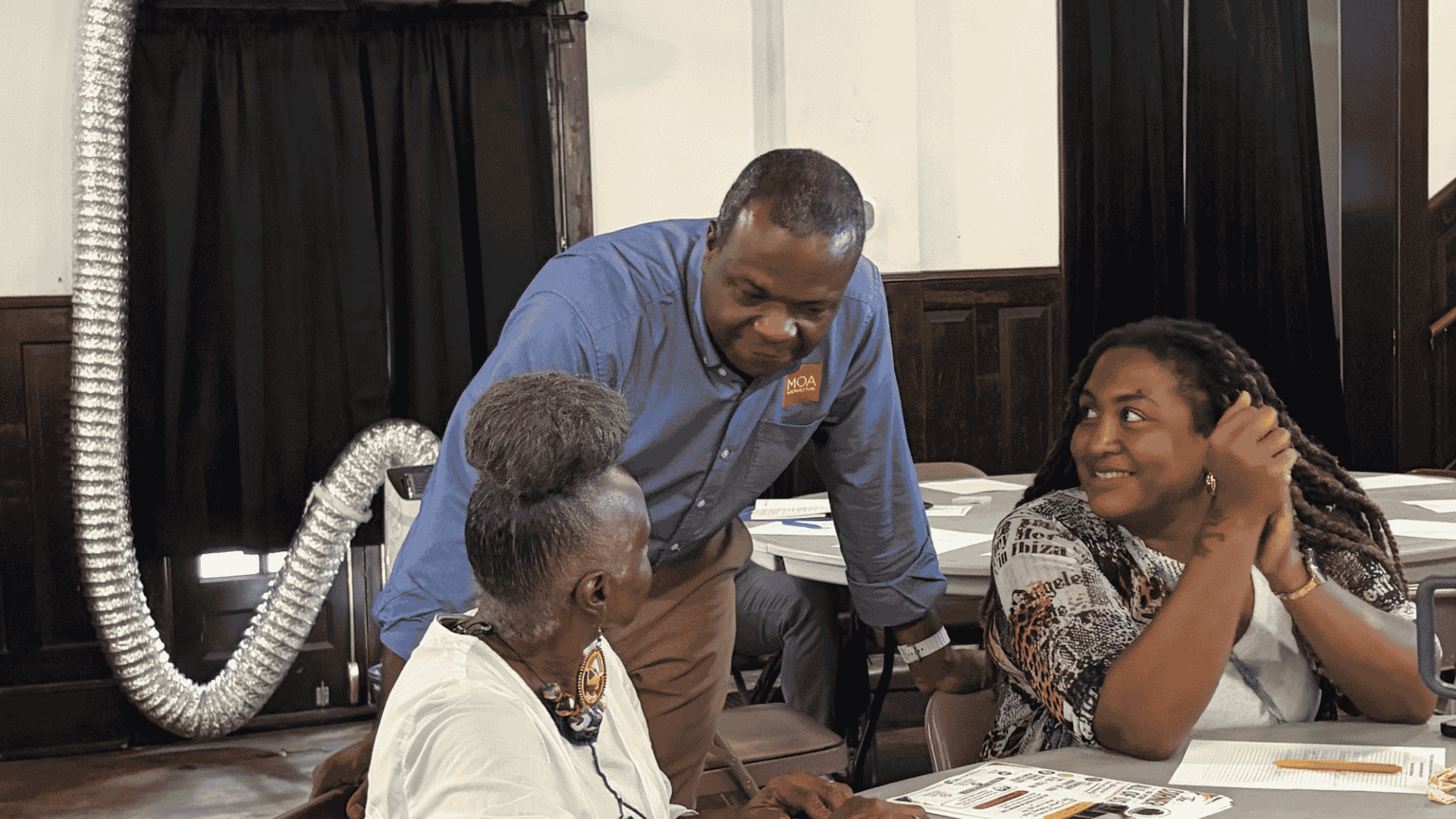
Across this journey, the community shaped the work through five open community meetings, an online input form and survey, a dedicated session with young people, and many one-on-one conversations with families, cultural leaders, local business owners, educators, and community organizations. Hundreds of residents took part. Their voices are the foundation of everything the study recommends.
What the Community Told Us
Throughout the process, residents returned to a consistent set of priorities. They wanted to protect Gullah Geechee culture and identity, and the rural, natural character of St. Helena Island. They wanted opportunities for young people — education, training, and pathways to the future. They wanted to support local businesses and entrepreneurs, and to create flexible places for families and neighbors to gather. And they were clear about what they did not want: a conventional, high-intensity commercial development that didn’t fit the island.
Residents also raised honest concerns — about traffic and road safety, about over-development, about keeping any project authentic to the community, and about long-term affordability and sustainability. The study took each of these seriously, and every one shaped the final recommendation.
What the Study Recommends
The study recommends a community campus — a place that brings together local business, workforce training, culture, and community gathering, organized within the site’s natural landscape. Rather than one large building, it is envisioned as a cluster of smaller, human-scaled buildings — porches, pavilions, and outdoor spaces — with the tree canopy and rural character preserved.
The recommendation is deliberately modest. At roughly 17,750 square feet, built in two phases over time, it is intentionally smaller than what the property could physically hold. Its scale is set by community character and demonstrated need — not by maximum capacity. The plan would be built in steps, with a later phase advancing only once the first demonstrates sustained demand.
Five principles, drawn directly from what residents said, guide the plan: residents first, culture at the center, building within the landscape, partnering rather than duplicating, and growing only by demonstrated need. The campus is designed to connect with and support organizations already serving St. Helena — such as Penn Center and the SC Coastal Community Development Corporation — rather than compete with them.
The study’s honest conclusion is that the project is conditionally feasible and worth continuing into the next stage of planning. Funding is not yet secured, and the plan is designed to become self-sustaining over time rather than rely on new taxes. Before anything is built, funding, partnerships, governance, and site conditions all must come together. To protect the land’s purpose for the long term, the study also recommends that it be held by a community-minded nonprofit, with permanent use restrictions.
The St. Helena Island Economic Feasibility Study was led by MOA Architecture, Inc. in partnership with the Coastal Community Foundation, and shaped throughout by the residents of St. Helena Island.